Get 20% Off Your First Order!          Place Your Order Now!         

Custom Printed Lipstick Boxes

In the world of cosmetics, there is a vast array of lip products available, each with its own unique packaging and characteristics. From sleek tubes to elegant compacts, the packaging of lipsticks is as diverse as the colors they offer. 

In this lipstick exclusive comprehensive blog, we will explore the different types of lipsticks and delve into the distinctions between lipstick, lip balm, and lip gloss.

Discover the allure of lipstick with its intense pigmentation and various finishes, the nourishing qualities of lip balm designed to hydrate and protect, and the sheer shine of lip gloss that adds a touch of glamor. Whether you are a lipstick lover, or a fan of lip gloss, this information will help you understand their different packaging and benefits.

Get Custom Quote

Product Information
Select Sizes
Choose Materials
Upload Artwork
Personal Information
Turn Around Time
Additional Information

The Types of Lipstick, Their Custom Lipstick Boxes and Differences

Lipstick has been a staple in the world of cosmetics for centuries, enhancing and beautifying lips with a touch of color. Over the years, the beauty industry has evolved, introducing a wide range of lipstick formulations, finishes, and textures.

From classic matte shades to glossy and metallic options, there is a lipstick type for every preference and occasion. 

In this lipstick exclusive blog we will check the various types of lipstick available in the market today, and we will also talk about the major difference between lip gloss, lipstick and lip balm, and lipstick packaging.

Matte Lipstick

Matte lipsticks are known for their opaque and non-shiny finish. They offer intense color payoff and a long-lasting formula. Matte lipsticks are typically formulated to be highly pigmented and transfer resistant.

This makes them a popular choice for those seeking a bold and sophisticated look. They can range from soft neutrals to vibrant reds and daring dark shades.

lipstick packaging wholesale lipstick boxes wholesale packaging lipstick lipstick packaging usa

Satin Lipstick

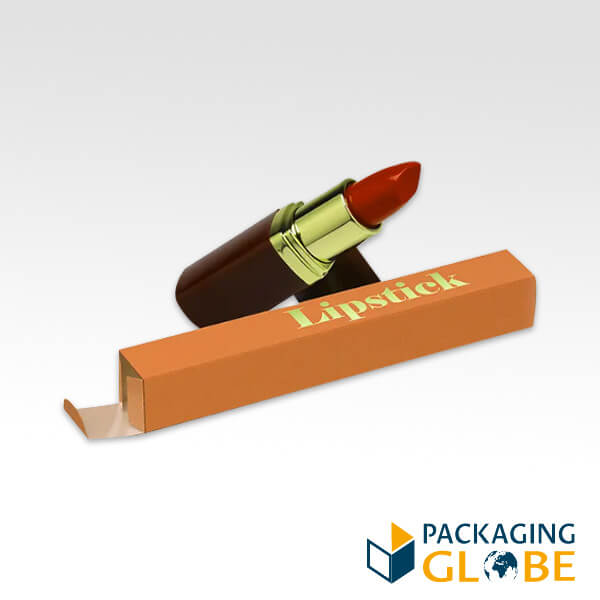
Satin lipsticks strike a balance between matte and glossy finishes. They provide a smooth and creamy texture with a subtle sheen. Satin lipsticks offer comfortable wear and hydrating properties, making them suitable for those with dry lips. They come in a variety of shades, from natural pinks to deeper hues. These often come in high quality custom lipstick boxes.

Glossy Lipstick

Glossy lipsticks are all about shine and luster. They impart a high-shine finish to the lips, creating a plump and voluminous effect. Glossy lipsticks often have a sheer to medium coverage, providing a more natural and effortless look. 

These lipsticks are great for achieving a fresh and dewy appearance, and they come in a range of shades, including nudes, pinks, and vibrant colors. You can even wrap them in a fancy lipstick gift box, if you plan to give it to someone.

Cream Lipstick

Cream lipsticks have a smooth and creamy consistency, offering comfortable wear and hydration. They provide a satin-like finish with a hint of sheen. Cream lipsticks are versatile and come in a wide array of shades, catering to various skin tones and preferences. 

Whether you are looking for a nude, a classic red, or a statement color, cream lipsticks have got you covered.

Liquid Lipstick

Liquid lipsticks have gained immense popularity in recent years. They typically come in a tube with a wand applicator, allowing for precise and easy application.

Liquid lipsticks offer a long lasting formula that dries down to a matte or satin finish, depending on the product. You will find them often inside custom lipstick boxes 

They provide intense color payoff and are often smudge proof and transfer resistant. Liquid lipsticks come in a vast range of shades, from everyday neutrals to vibrant and bold hues.

Stain Lipstick

Stain lipsticks are designed to leave a long lasting tint on the lips. They provide a sheer wash of color that enhances the natural lip tone. Stains are lightweight and provide a subtle and more natural looking effect. These elegant lipsticks are often packaged inside black lipstick packaging.

They are often formulated to be long-wearing and fade gradually over time. Stain lipsticks are great for a low-maintenance and effortless look.

Sheer Lipstick

Sheer lipsticks offer a lightweight and translucent finish. They provide a hint of color that allows the natural lip color to show through. Sheer lipsticks are usually more moisturizing and have a glossy or satin-like finish. 

They are ideal for those who prefer a subtle and understated look or want to enhance their natural lip color.

Metallic Lipstick

Metallic lipsticks have gained popularity for their unique and eye catching finish. They contain shimmer particles that create a metallic or foil-like effect on the lips. Metallic lipsticks come in various shades, from soft pinks and gold to bold purples and blues. 

They are a great choice for those looking to make a statement or add a touch of glamor to their makeup look.

Ombre Lipstick

Ombre lipsticks offer a gradient effect on the lips, with a darker shade at the outer corners fading into a lighter shade in the center. They can be achieved using multiple lipstick shades or specialized ombre lipstick products. These lipsticks allow for creative and unique lip looks, adding dimension and visual interest to the lips.

In addition to these types, there are also lip balms with a hint of color, lip primers, and lip liners that can be used in conjunction with lipsticks to enhance their performance and longevity.

When choosing a lipstick type, consider your personal preferences, the occasion, and your desired look. Experimenting with different types of lipsticks can be a fun and creative way to express your style and enhance your natural beauty.

How Important Is Lipstick Packaging to Keep Them from Damage

Packaging is vital for protecting lipsticks from damage during various stages, including manufacturing, transportation, and storage. 

Here’s why packaging is important in ensuring lipsticks remain undamaged.

Manufacturing

Lipstick manufacturing involves multiple processes, including molding, filling, and sealing. Packaging, such as lipstick tubes or bullet cases, provides a protective enclosure for the lipstick during these processes, preventing damage or deformation. 

Transportation

Lipsticks are shipped from manufacturing facilities to distribution centers, retailers, and ultimately to the customers. Packaging plays a crucial role in safeguarding lipsticks during transportation. 

It provides a barrier against external factors such as vibrations, temperature variations, and potential impacts that could cause breakage or alteration of the product.

Shelf Display

Lipstick packaging is designed to be visually appealing and attractive to consumers. It not only serves as a marketing tool but also protects the product while on display. If you are selling them then make sure to always choose a high quality type of lipstick box.

Packaging materials and designs are chosen to withstand handling and potential collisions on store shelves, ensuring that the lipsticks remain intact and undamaged.

Storage

Lipstick packaging is essential for proper storage, whether it is at the manufacturing facility, distribution center, or retail store. Packaging materials are selected to protect the lipstick from environmental factors too.

Such as light, moisture, and air, that can degrade the product’s quality over time. Adequate packaging prevents exposure to these elements and helps maintain the lipstick’s integrity and performance. You can even get a custom lipstick packaging box design according to your specific requirement.

Consumer Experience

Packaging contributes to the overall consumer experience with lipsticks. A damaged or poorly packaged lipstick can lead to disappointment and dissatisfaction. 

On the other hand, a well-packaged lipstick creates a positive impression, making customers feel confident in their purchase and enhancing their overall satisfaction.

It protects the product from potential impacts, environmental factors, and handling, ensuring that customers receive lipsticks in optimal condition. The high quality packaging enhances the consumer experience, promoting brand loyalty and satisfaction.

Understanding the Differences and Benefits of Lip Gloss, Lipstick, and Lip Balm

Enhancing the beauty of our lips is a common desire, and there is an array of products available to help achieve the desired look. Among the most popular options are lip gloss, lipstick, and lip balm. 

While they all serve the purpose of adding color and shine to the lips, each product has its own unique characteristics and benefits. 

Lip Gloss

Lip gloss is a go to choice for those who crave a shiny and lustrous finish. Typically available in liquid or gel-like form, lip gloss is applied using a wand or brush applicator. 

One of the defining characteristics of lip gloss is its sheer or semi sheer tint, offering a subtle enhancement to the natural color of the lips. The main allure of lip gloss lies in its ability to provide a glossy and reflective effect, creating the illusion of fuller and more voluminous lips.

Many lip glosses contain ingredients that offer hydration and moisturization, helping to keep the lips soft and supple. Lip gloss is perfect for achieving a casual, everyday look or for adding a touch of shine to a full makeup application.

Lipstick

Lipstick, a timeless and versatile lip product, comes in various formulations, finishes, and shades. Typically found in solid form, such as a bullet or stick, lipstick is applied directly to the lips. Unlike lip gloss, lipstick offers more intense pigmentation, allowing for full coverage and a more defined lip look. Usually they are seen inside custom lipstick boxes.

The color options for custom lipstick boxes are vast, ranging from soft neutrals to bold and vibrant hues. This diversity allows individuals to make a statement with their lip color or achieve a more polished and sophisticated appearance. 

Custom lipstick boxes also comes in different finishes, such as matte, satin, or glossy, catering to different preferences and occasions. Depending on the formulation, lipsticks can have moisturizing properties or long-lasting formulas, ensuring your lips stay hydrated and the color stays intact. 

Lipstick is ideal for those who want to express themselves through their lip color or desire a more refined and glamorous look.

Lip Balm

Lip balm is also known as chapstick or lip conditioner, primarily focuses on moisturizing and nourishing the lips. Designed to provide hydration and protection, lip balm comes in a solid stick or pot form with a smooth and emollient texture. 

Unlike lip gloss and lipstick, lip balm is usually colorless or has a very subtle tint. Its main purpose is to soothe chapped lips, prevent moisture loss, and create a protective barrier against external elements. 

Lip balms often contain ingredients like beeswax, shea butter, and various oils that help lock in moisture and keep the lips soft and smooth. 

They are perfect for daily use, especially when lips require extra hydration and care. Lip balm is an essential product during dry or cold weather conditions and serves as a reliable solution for maintaining healthy and nourished lips.

Lipstick, and lip balm are distinct lip products that offer different finishes, levels of pigmentation, and benefits. Lip gloss provides a shiny and sheer finish; lipstick offers more intense color and coverage, while lip balm focuses on moisturizing and protecting the lips.

Choosing the right product depends on your desired look, the occasion, and the condition of your lips. So whether you prefer a glossy shine, a bold lip color, or nourished lips, there is a product available to meet your specific needs. 

Remember to embrace the versatility of these lip products and have fun experimenting with different shades and finishes to express your unique style and enhance the beauty of your lips.

A Quick 7-Step Recipe to Make Your Very Own Lip Gloss at Home

Did you know that it is possible to make lip gloss at home using simple ingredients? 

Making your own lip gloss allows you to customize the color, scent, and texture according to your preferences. If you plan to make large quantities at home then we recommend you contact holographic custom lipstick boxes wholesale dealers to get the boxes at an affordable price. 

Here’s a basic recipe to create a homemade lip gloss:

Ingredients

  • 1 tablespoon of beeswax pellets or use grated beeswax
  • 1 tablespoon of coconut oil or any sweet almond oil
  • 1 teaspoon of honey or agave syrup
  • 1-2 drops of essential oil
  • Cosmetic-grade mica powder or food coloring (optional)

Instructions

Step 1

In a microwave safe bowl or double boiler, combine the beeswax and coconut oil (or sweet almond oil). Heat the mixture on low heat until the ingredients melt together. Stir occasionally to ensure even melting.

Step 2

Once melted, remove the mixture from heat and let it cool slightly.

Step 3

If desired, add the honey or agave syrup for a touch of sweetness. Mix well.

Step 4 

Add a drop or two of essential oil for fragrance. You can choose scents like vanilla, peppermint, or lavender, depending on your preference. Stir to incorporate the fragrance evenly.

Step 5

If you want to add color to your lip gloss, mix in a small amount of cosmetic-grade mica powder or a drop of food coloring. Start with a small amount and adjust as needed to achieve the desired color. 

Mix well to ensure the color is evenly distributed. Now just carefully pour the mixture into small lip gloss containers or empty lip balm tubes.

Step 6 

Allow the lip gloss to cool and solidify completely. This may take a few hours.

Step 7

Once the lip gloss has solidified, it’s ready to use! 

Apply it to your lips using a clean finger or a lip brush. Remember to store your homemade lip gloss in a cool, dry place to maintain its texture and quality.

It’s important to note that homemade lip gloss may not have the same longevity and stability as commercially produced products. Therefore, it’s advisable to use and enjoy your homemade lip gloss within a reasonable timeframe.

Also use high quality rigid lipstick boxes, to store them properly; there are so many types of lipstick boxes that you can use like holographic lipstick boxes.

Feel free to experiment with different ingredients and ratios to create your own unique lip gloss recipes.

You can add natural ingredients like cocoa butter, shea butter, or vitamin E oil for added moisturizing benefits. Have fun exploring different colors, scents, and textures to make lip gloss that suits your personal style and preferences.

The world of lipstick offers a diverse range of options to suit every taste and style. From matte to glossy, cream to liquid, and everything in between, the variety of lipstick types ensures that there is a perfect option for everyone.
Packaging Global Social Media

DimensionsAll Custom Sizes & Shapes
PrintingCMYK, PMS, No Printing
Paper Stock10pt to 28pt (60lb to 400lb) Eco-Friendly Kraft, E-flute Corrugated, Bux Board, Cardstock
Quantities100 – 500,000
CoatingGloss, Matte, Spot UV
Default ProcessDie Cutting, Gluing, Scoring, Perforation
OptionsCustom Window Cut Out,Gold/Silver Foiling, Embossing, Raised Ink, PVC Sheet.
ProofFlat View, 3D Mock-up, Physical Sampling (On request)
Turn Around Time10-12 Business Days , Rush

Material / Paper Stock We Use

Packaging plays a vital role in protecting and enhancing products, and the right material or paper stock ensures strength, safety, and reliability. Premium cardboard packaging is recognized for its durability and resilience, while kraft paper provides a refined yet sturdy solution for safeguarding delicate items. Corrugated boxes are engineered to withstand external pressure, tears, and handling challenges, offering superior protection throughout the supply chain.

We offer a carefully selected range of high-quality paper stocks designed to deliver the perfect balance of sustainability, affordability, strength, and elegance—ensuring your packaging not only protects but also makes a lasting impression.

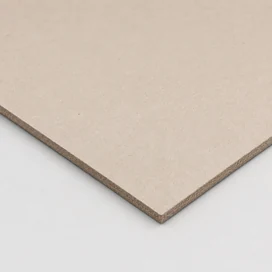
duplex-chipboard
Duplex Chipboard
grey-chipboard-cardboard
Grey Chipboard Cardboard
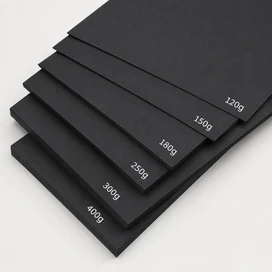
black-kraft
Black-Kraft
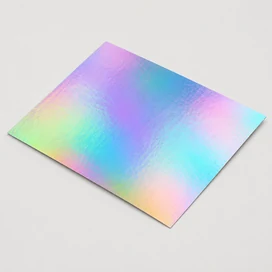
holographic
Holographic
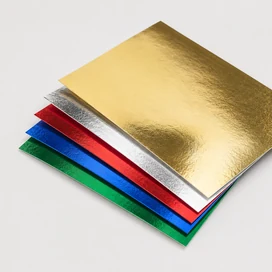
metallic-paper
Metallic Paper
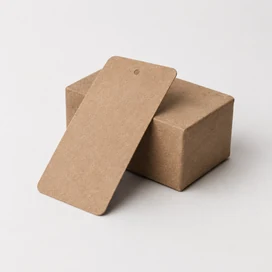
natural-brown-kraft
Natural Brown Kraft
sbs-c2s
SBS C2S
textured
Textured
white-kraft
White Kraft

Type of Printing Methods We Use

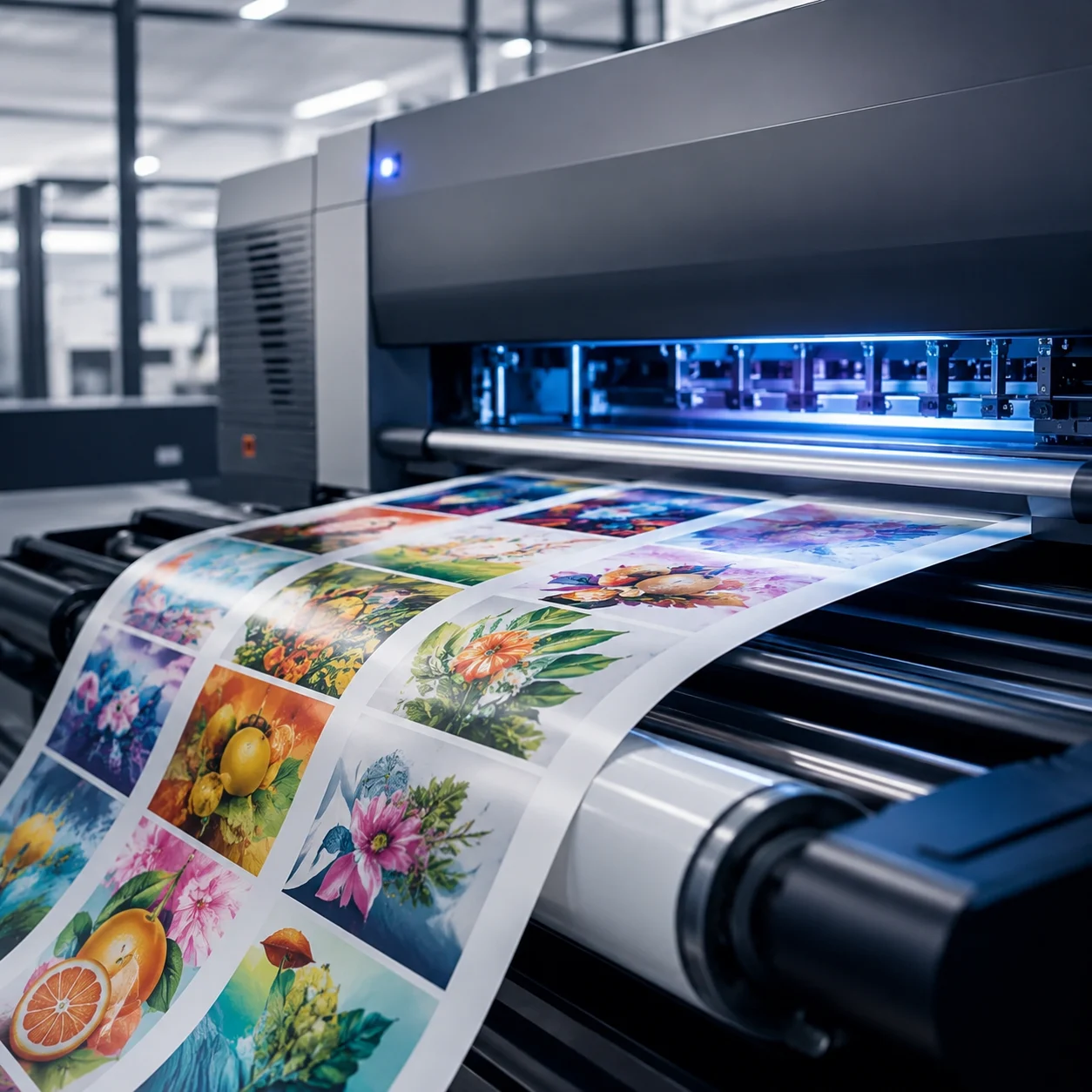
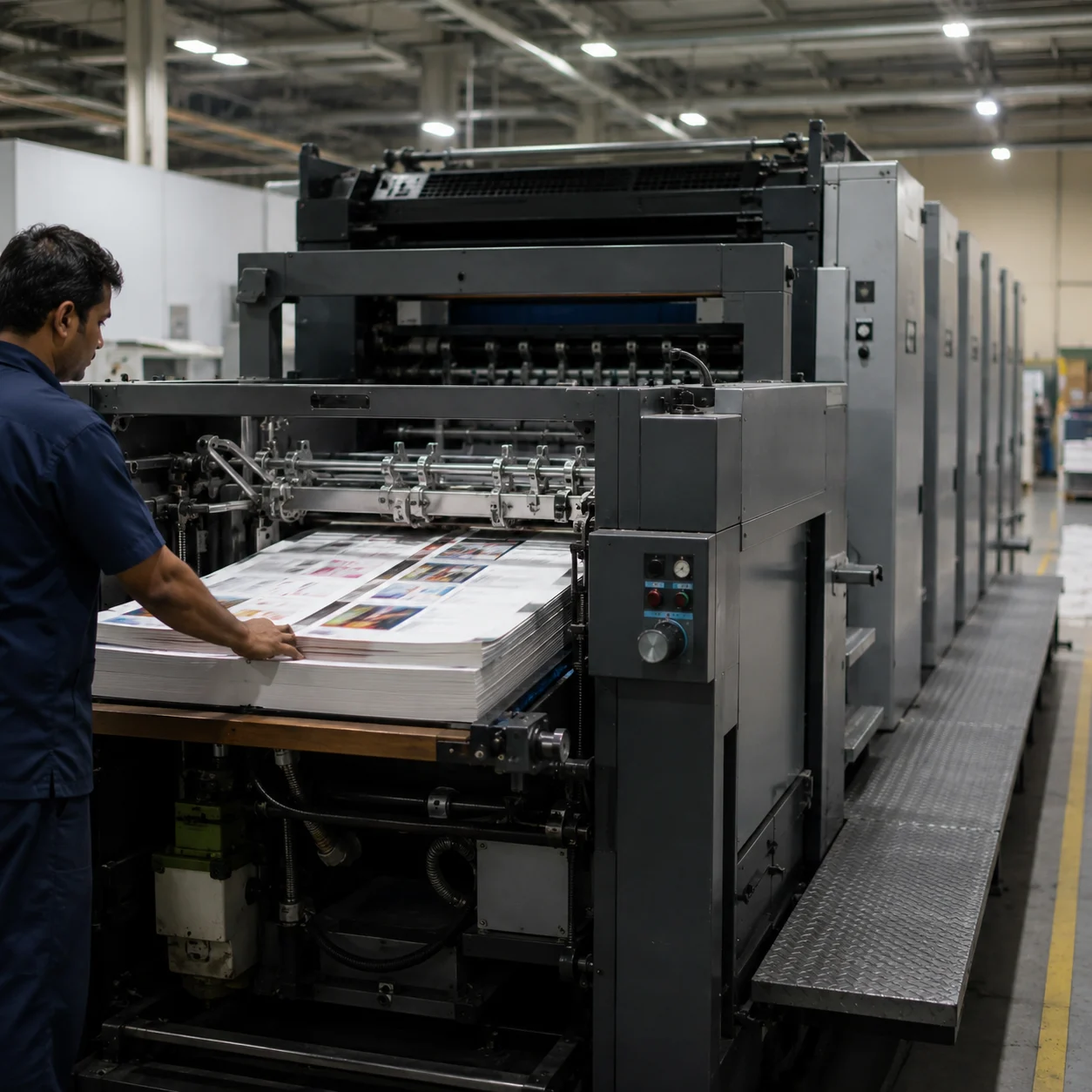
We have entered an era of digital innovation, and the packaging and printing industry has evolved alongside it. Digital printing on eco-friendly box surfaces brings creativity to life, allowing vibrant and customized designs to stand out. Offset printing, a timeless and trusted technique, delivers exceptional image quality and consistent results, while screen printing adds unique textures and a premium feel to both the interior and exterior of packaging.

We provide a complete range of modern printing solutions to transform your ideas into visually striking custom boxes that reflect your brand’s identity and creativity.

Digital Print
Digital Print
Offset Print
Offset Print
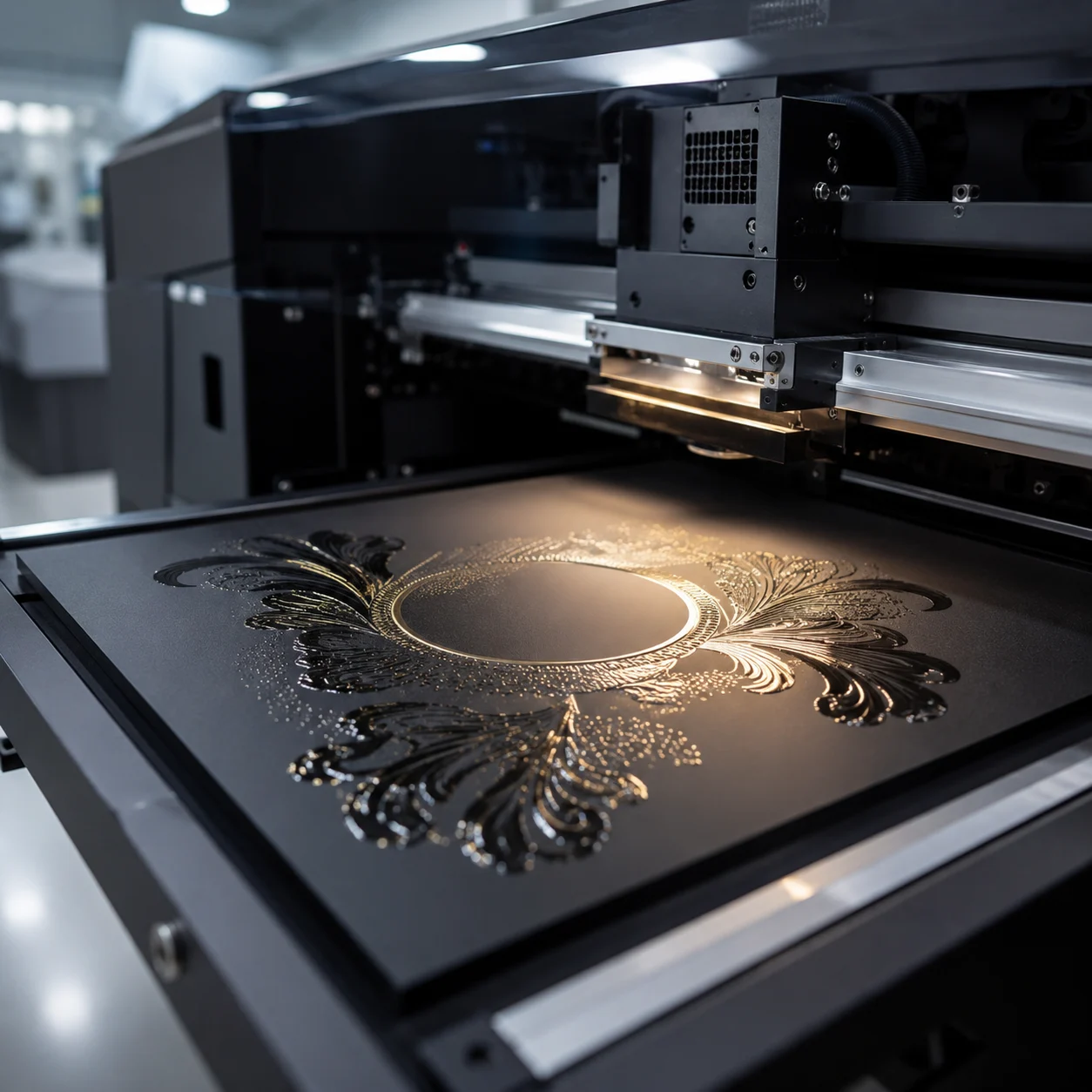
Scodix Digital Enhancement
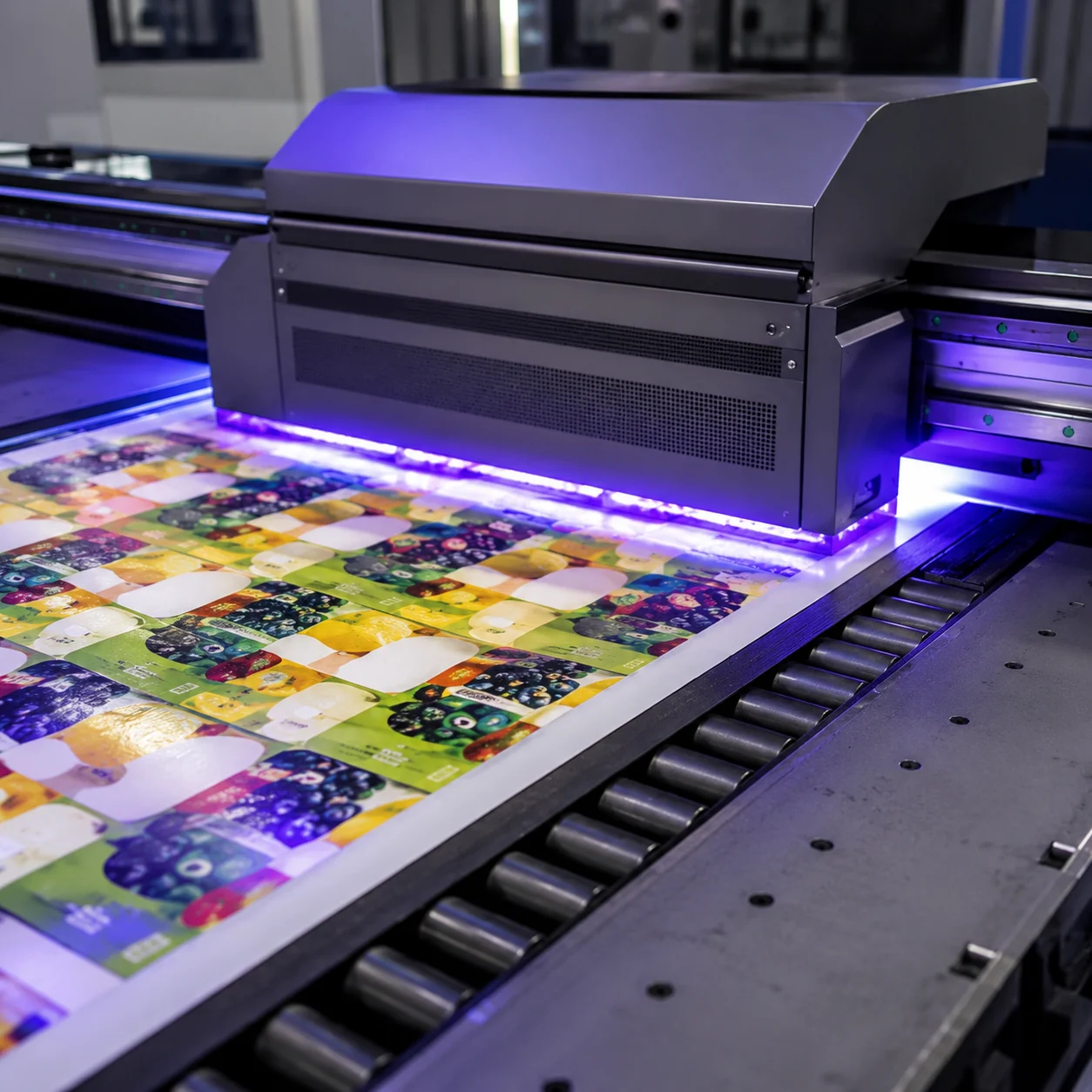
UV Print
UV Print

Type of inks We Use

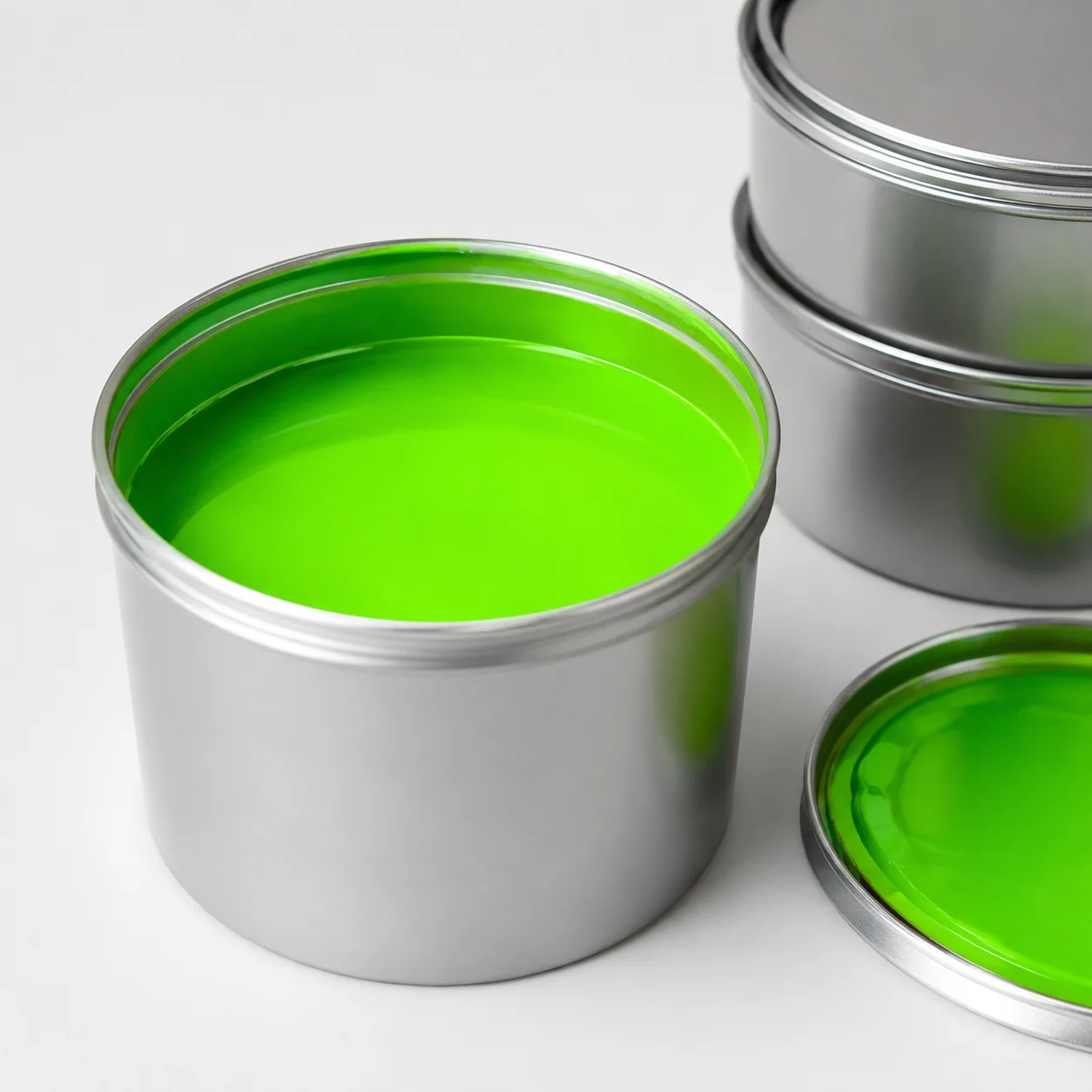
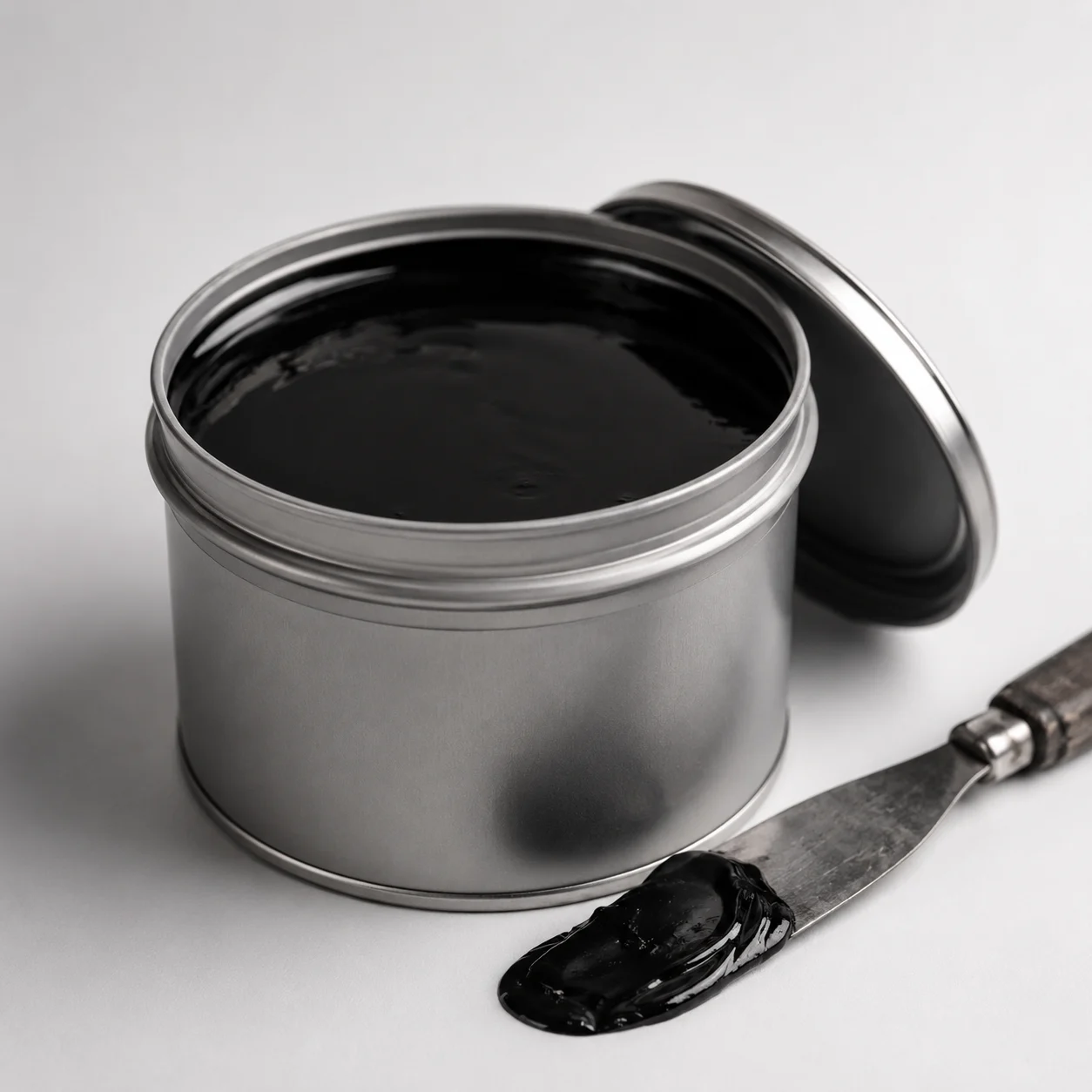
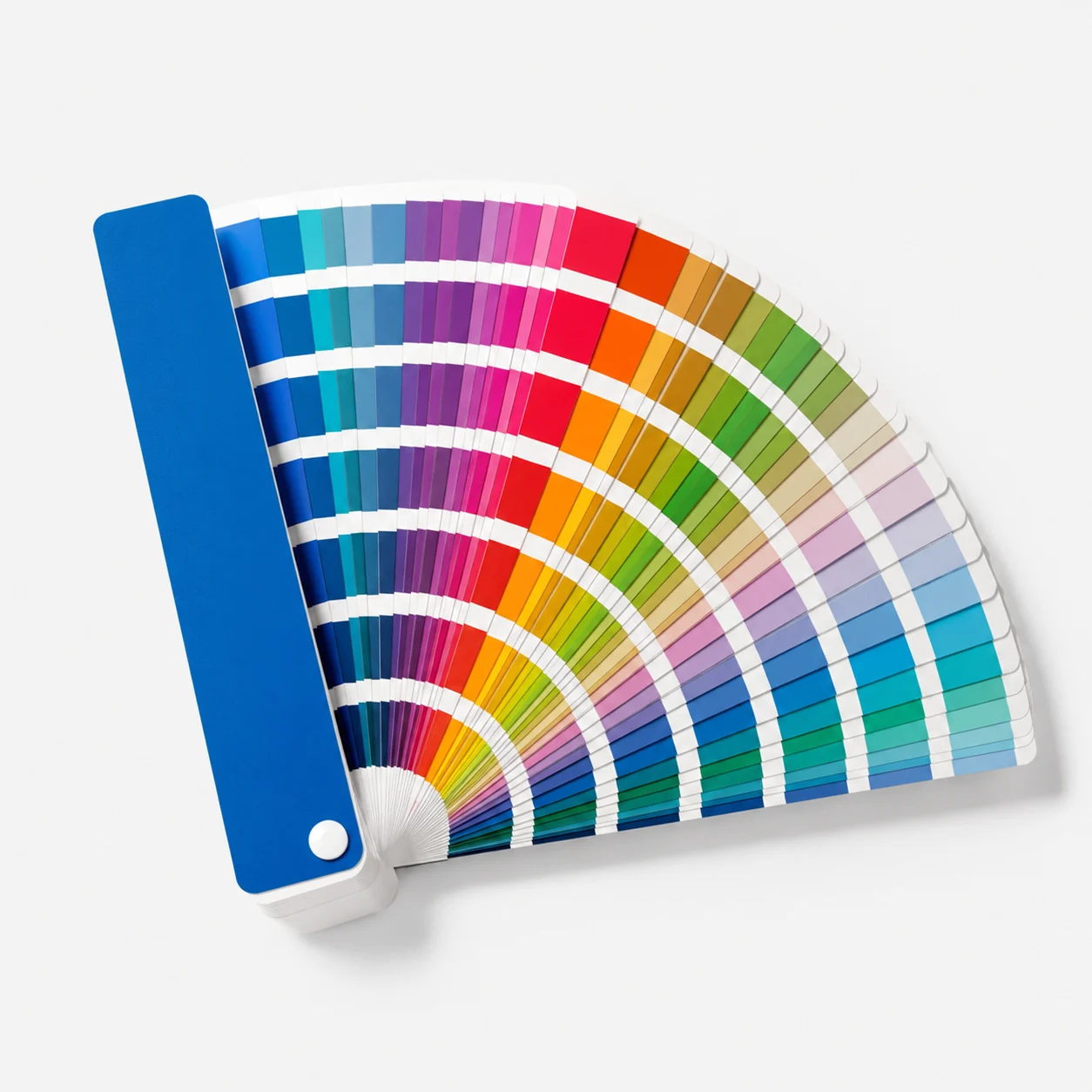
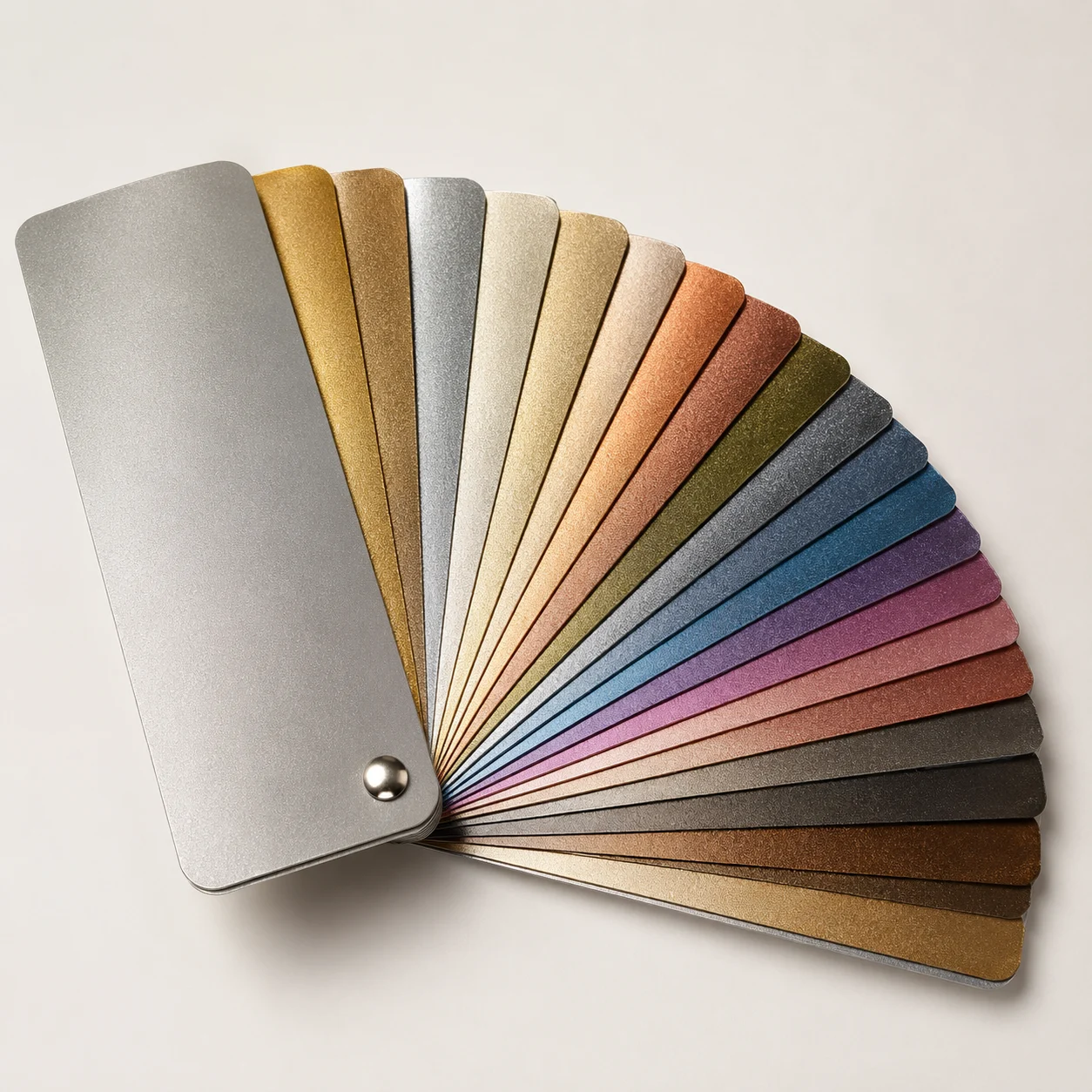
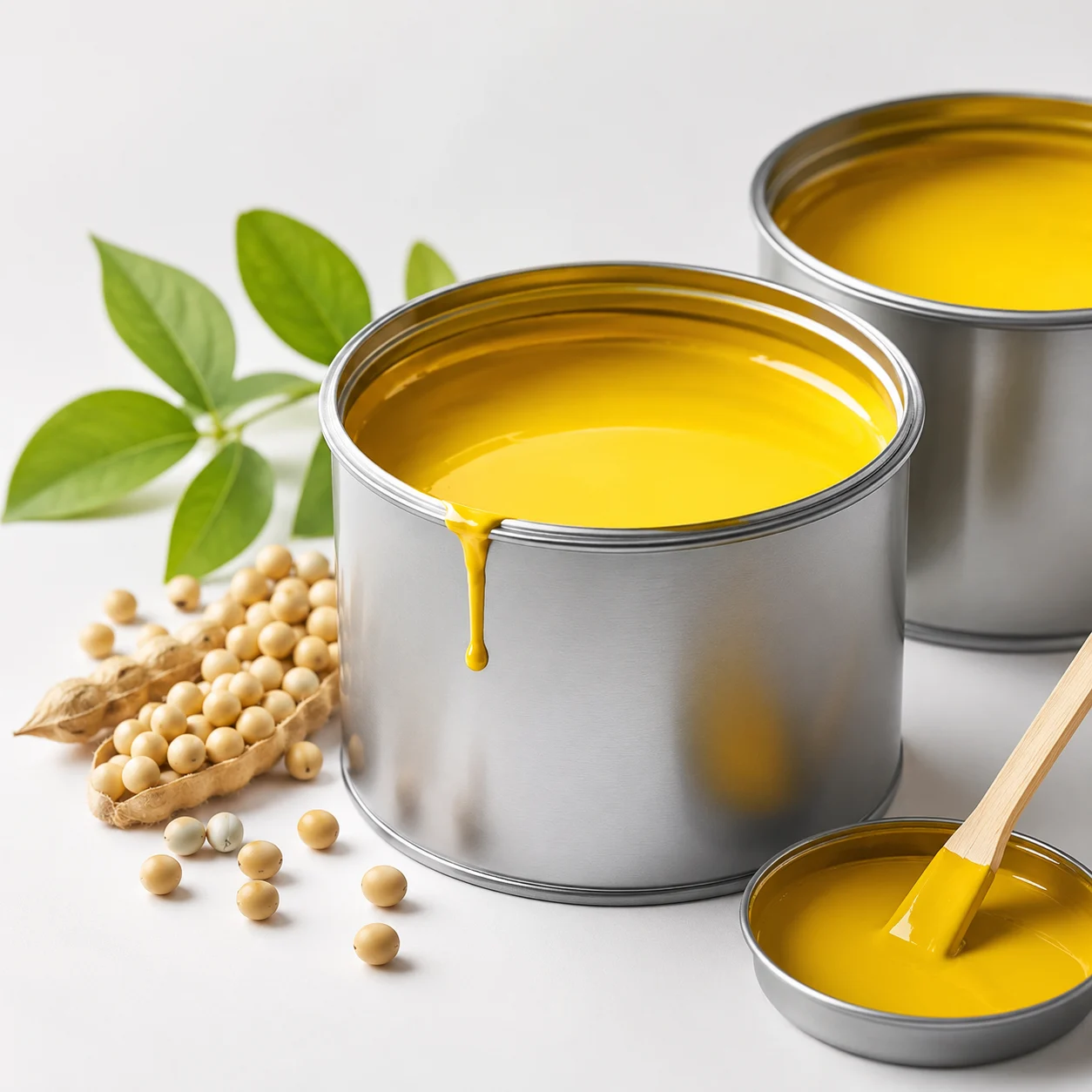
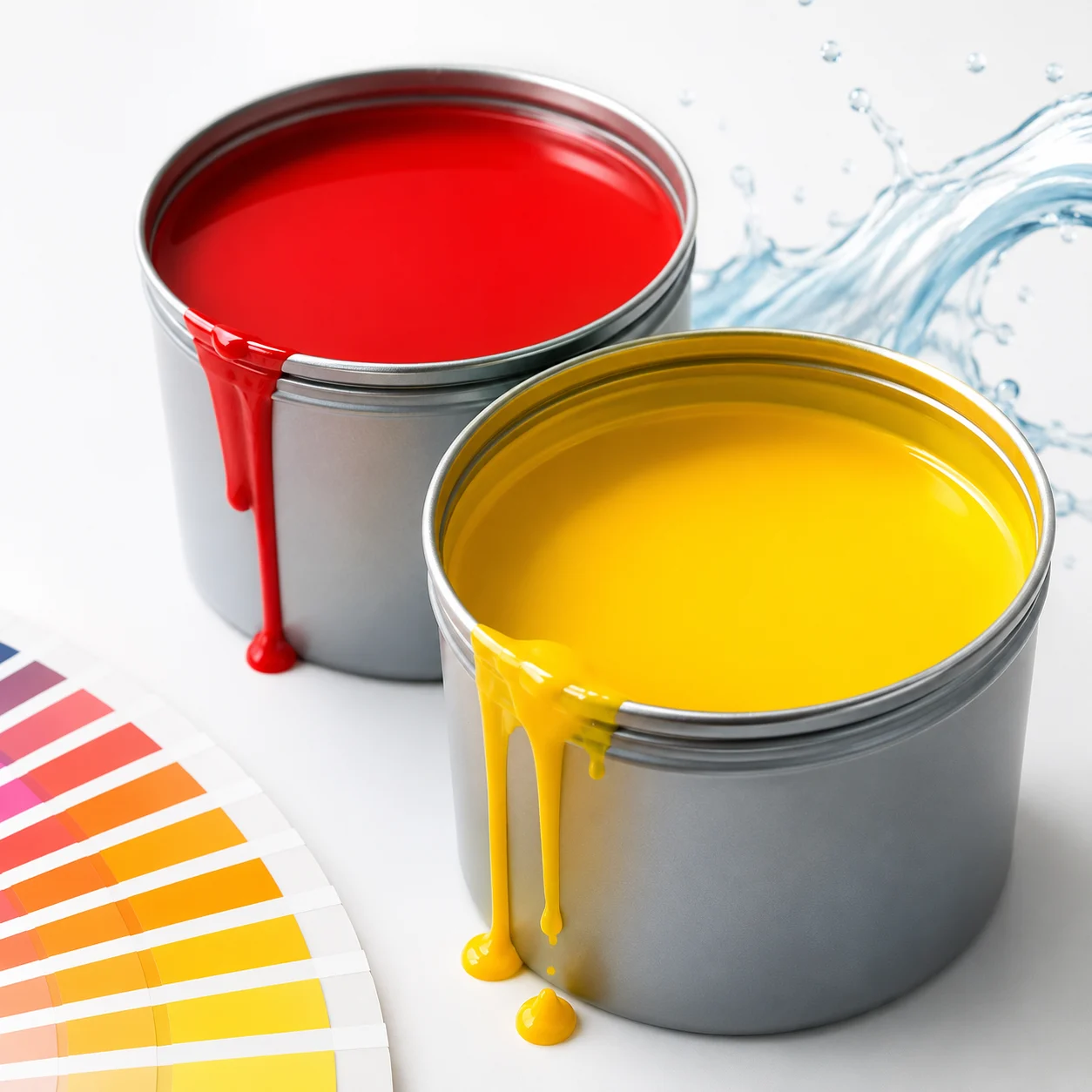
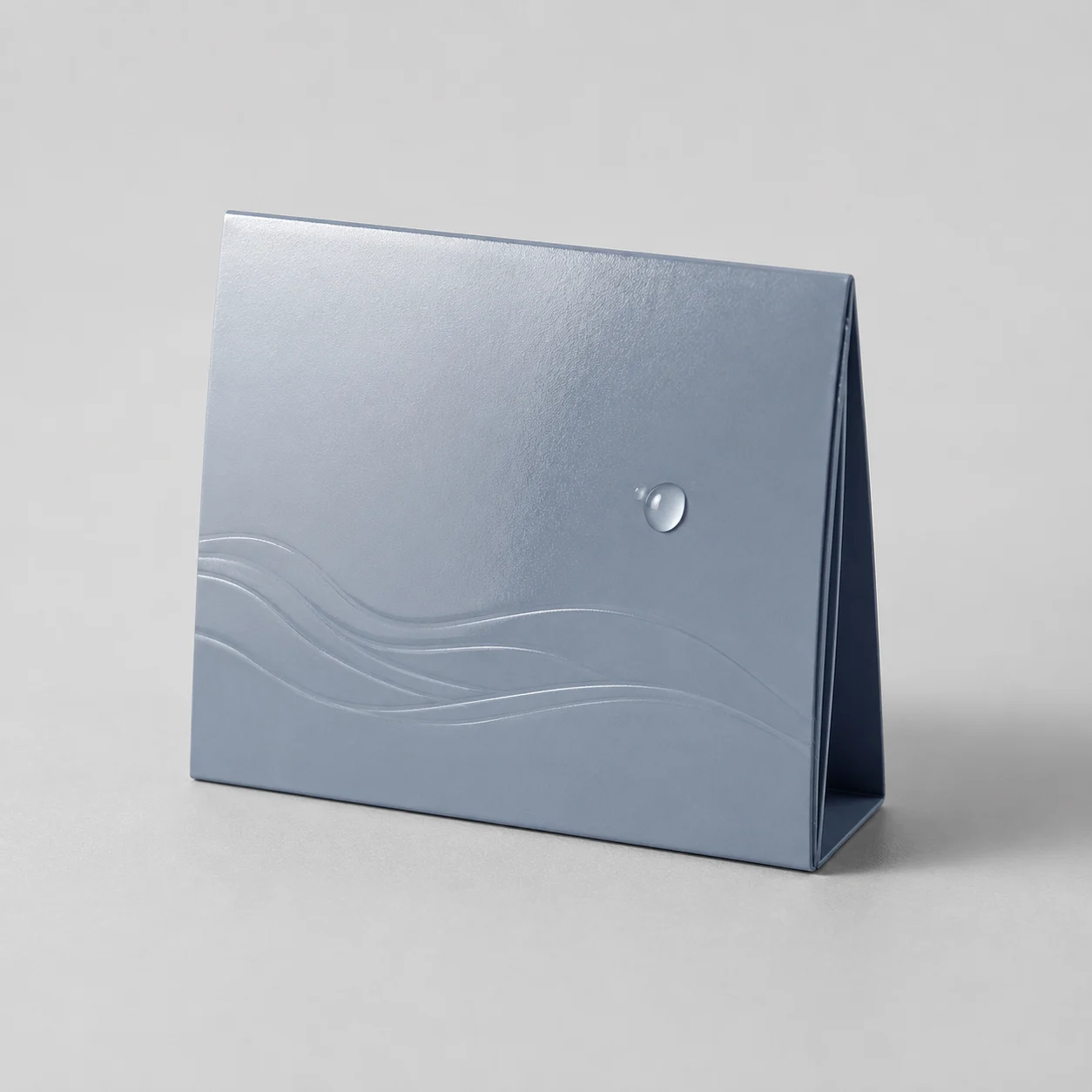
Vibrant printing inks bring designs to life, creating joyful visuals and maintaining a consistent brand identity. We offer an extensive selection of premium inks, including bold Pantone shades, luxurious Pantone Metallic finishes, smooth oil-based inks, and eye-catching fluorescent colors. For striking and eco-conscious printing solutions, explore our soy-based vegetable inks and water-based inks, designed to deliver rich tones with exceptional quality.

Unleash your imagination and transform your ideas into captivating prints with colors that make your packaging stand out.

Fluorescent Color Inks
Oil Based Inks
Oil Based Inks
Pantone
Pantone
Pantone Metallics
Pantone Metallic
Soy Vegetable Based Inks
Water Based Inks
Water Based Inks

Our finishing

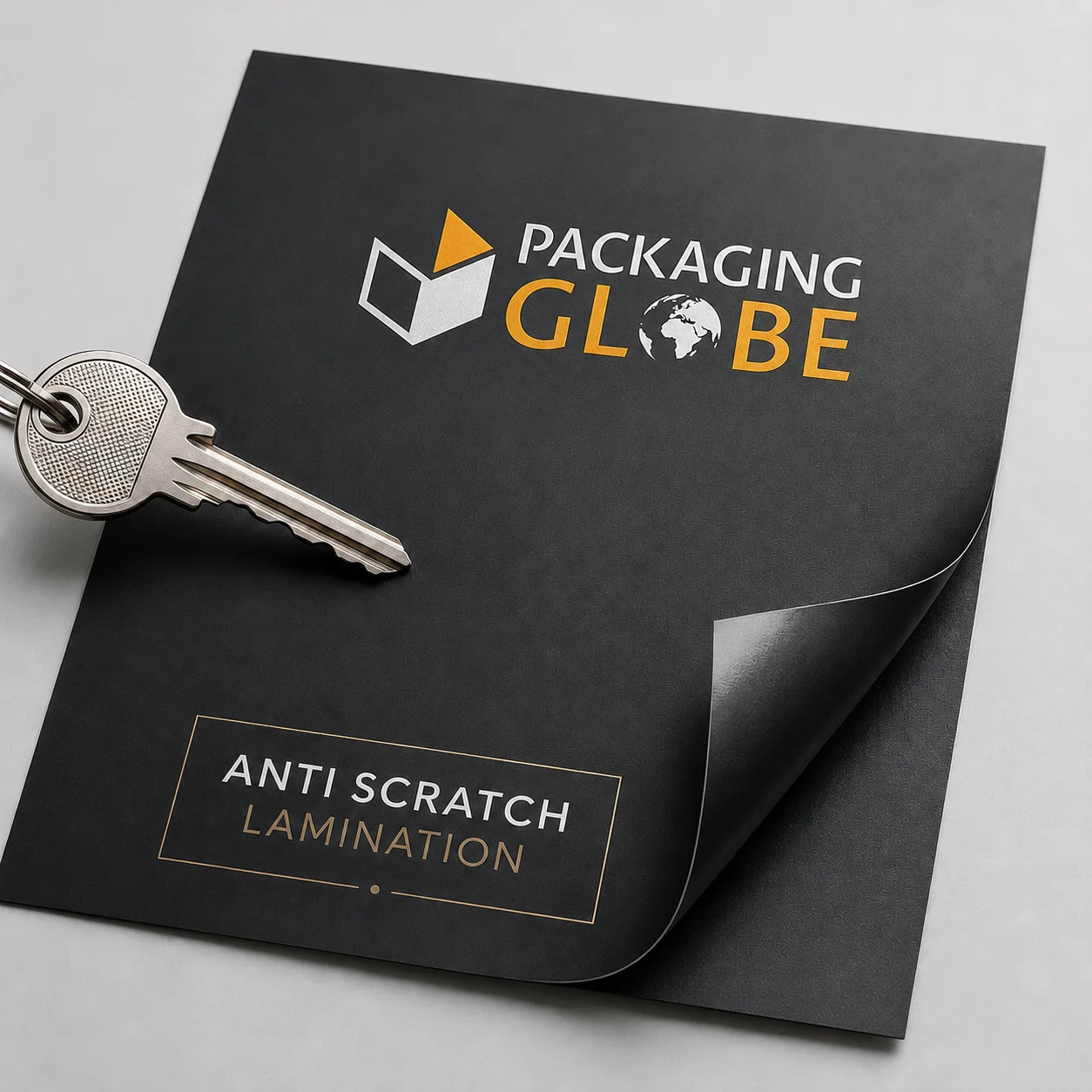
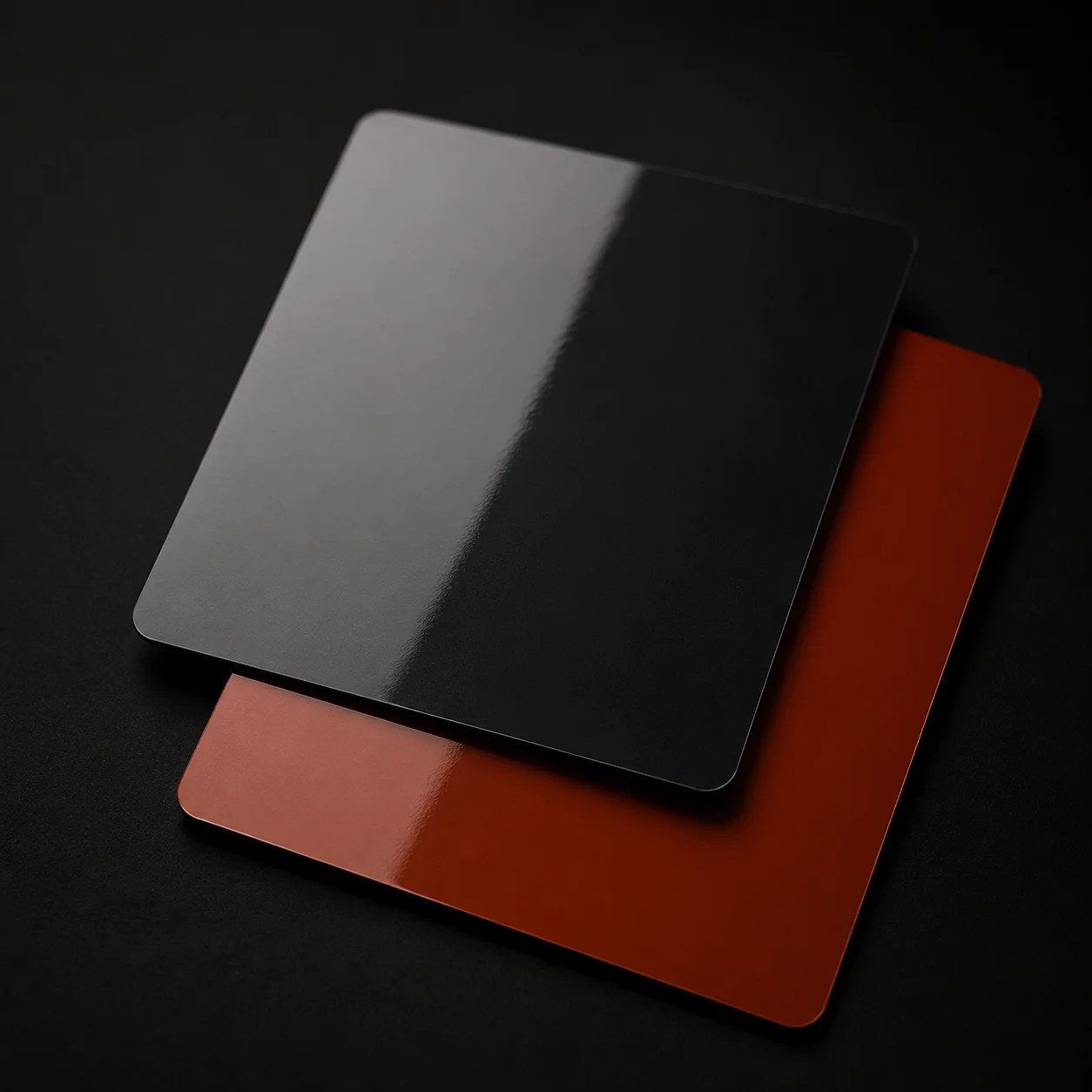
Finishing plays a vital role in enhancing the overall appearance and appeal of packaging. At The Packaging Globe, we believe finishing is more than just a visual enhancement—it is a powerful expression of your brand’s identity. Customized packaging can be transformed into a remarkable experience with the right finishing touches.

From glamorous glitter accents and metallic effects to luxurious silver and gold foiling, we offer a wide range of finishing options to add sophistication, exclusivity, and elegance to your custom packaging. Explore our diverse finishing solutions and create packaging that truly stands out.

Anti Scratch Lamination
Aqueous Coating
Aqueous Coating
Lamination
Lamination
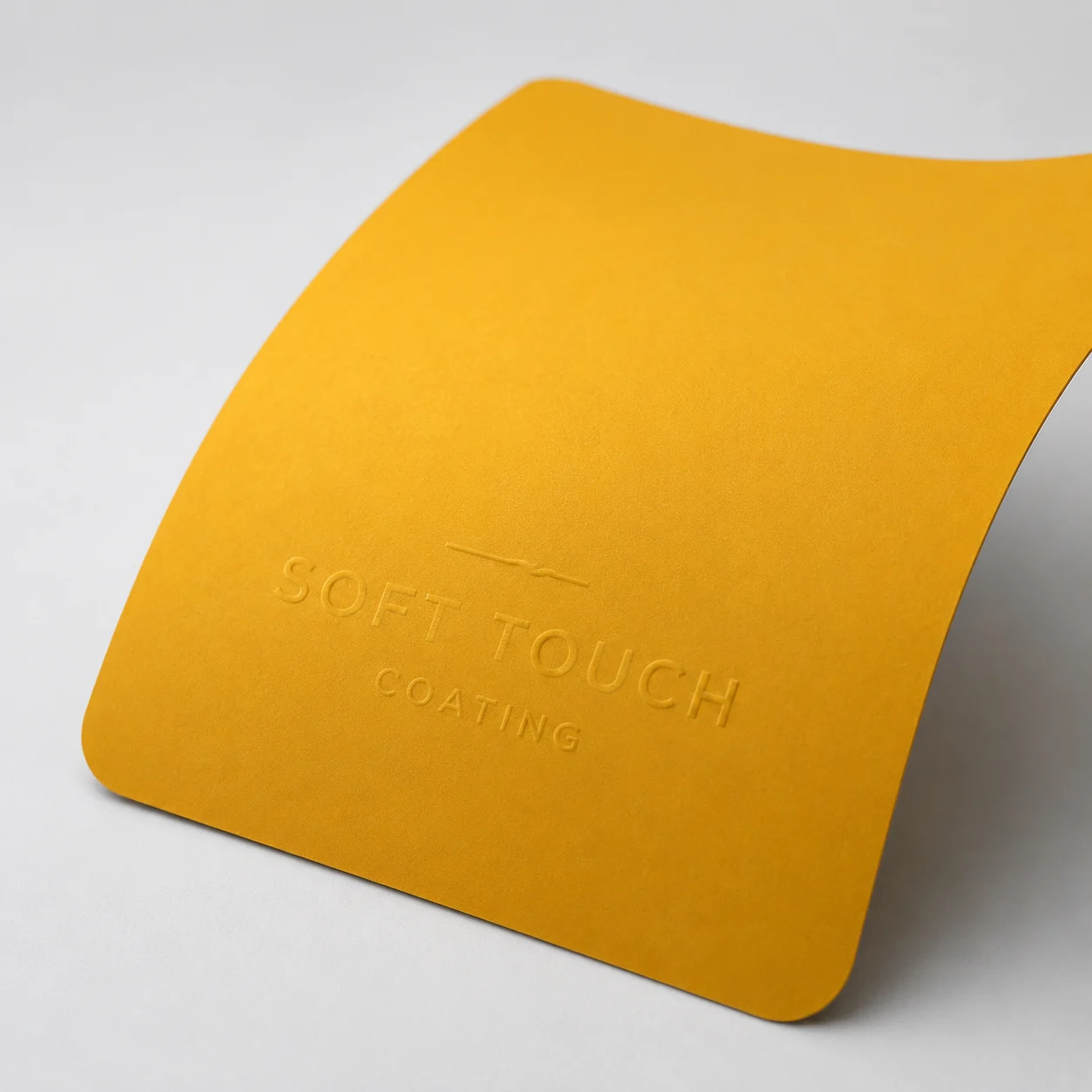
Soft Touch Coating
Soft Touch Coating
Soft Touch or Silk Lamination Cards
Soft Touch/Silk Lamination Cards
Spot Gloss UV
Spot Gloss UV

Add- ons

We help you move beyond ordinary packaging by adding creative enhancements that make a lasting impression. Thoughtfully designed add-ons serve as artistic details that attract attention, elevate the perceived value of your packaging, and create a memorable customer experience.

From embossing and debossing to premium foiling, screening, PVC windows, and custom inserts, our packaging enhancements combine style with functionality. These finishing touches not only protect your products but also add excitement and elegance to every unboxing experience.

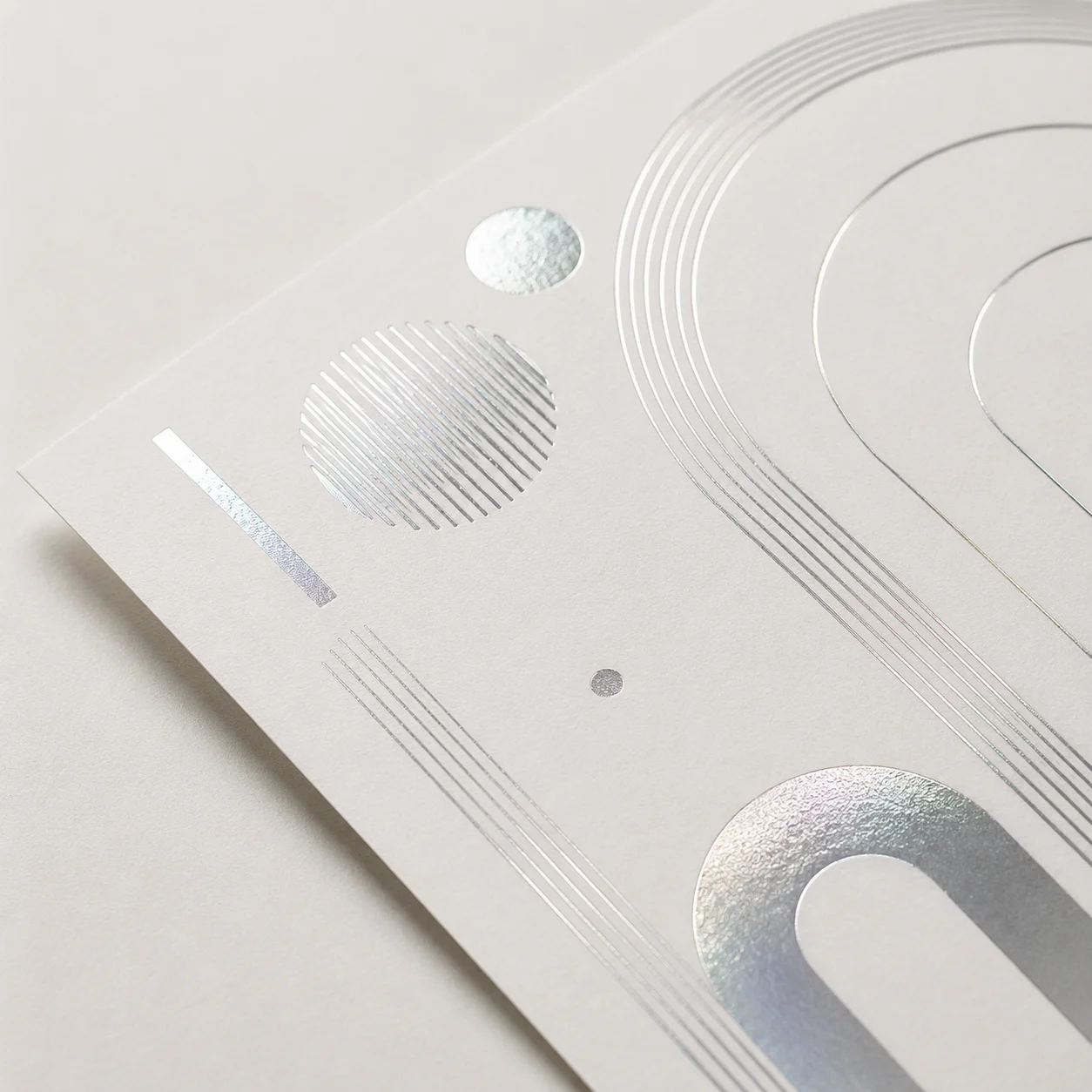
Cold Foil Stamping
Cold Foil Printing
Debossing
Debossing
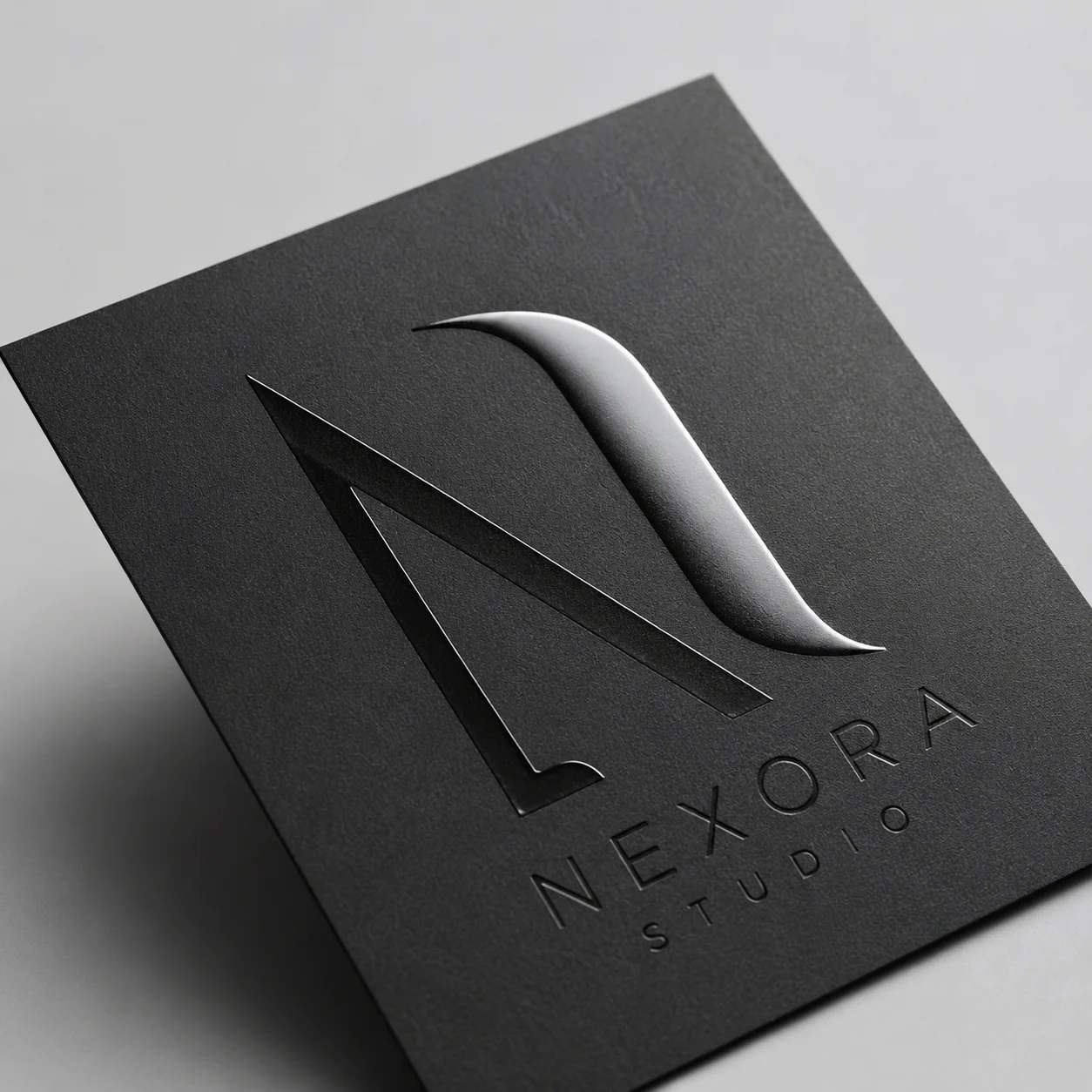
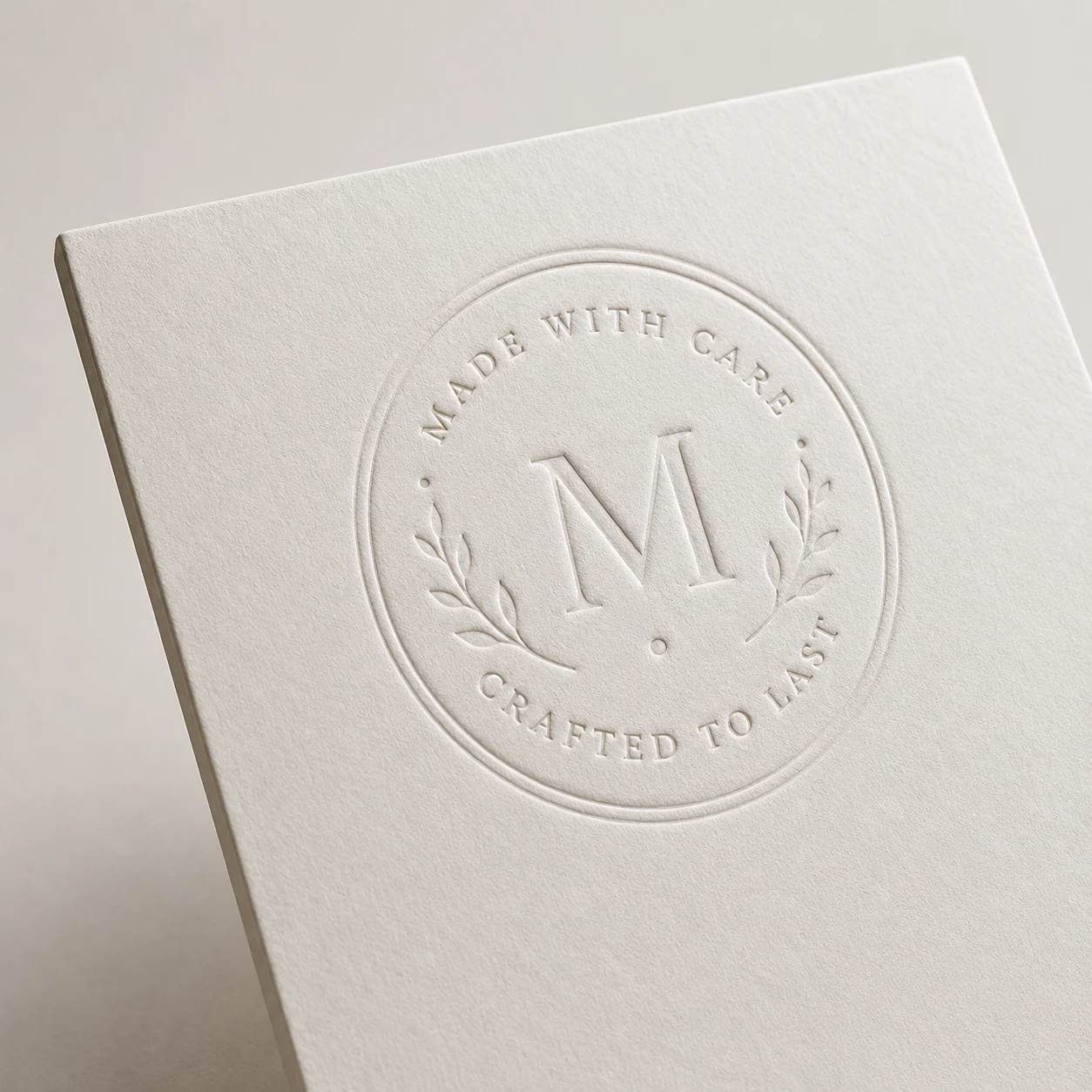
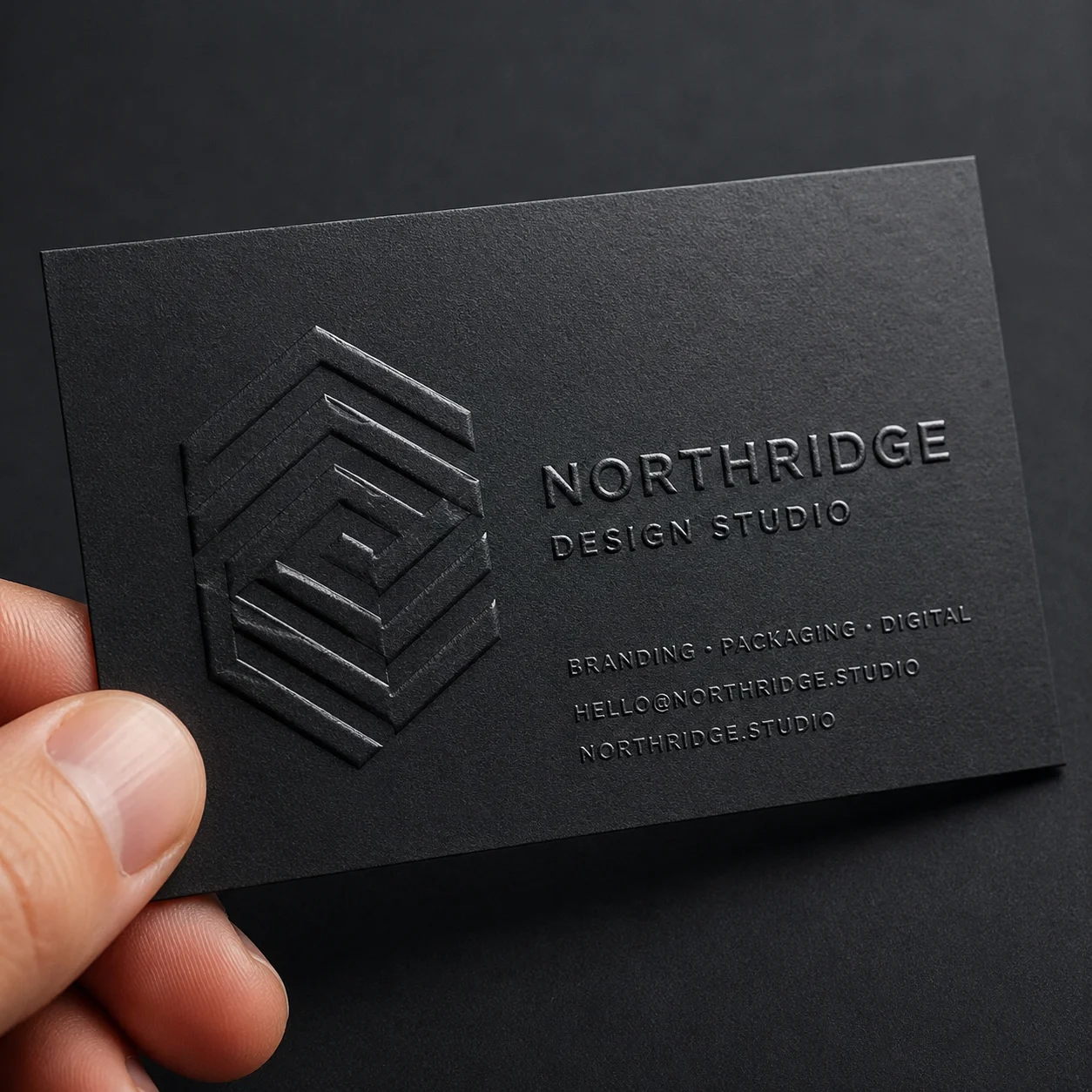
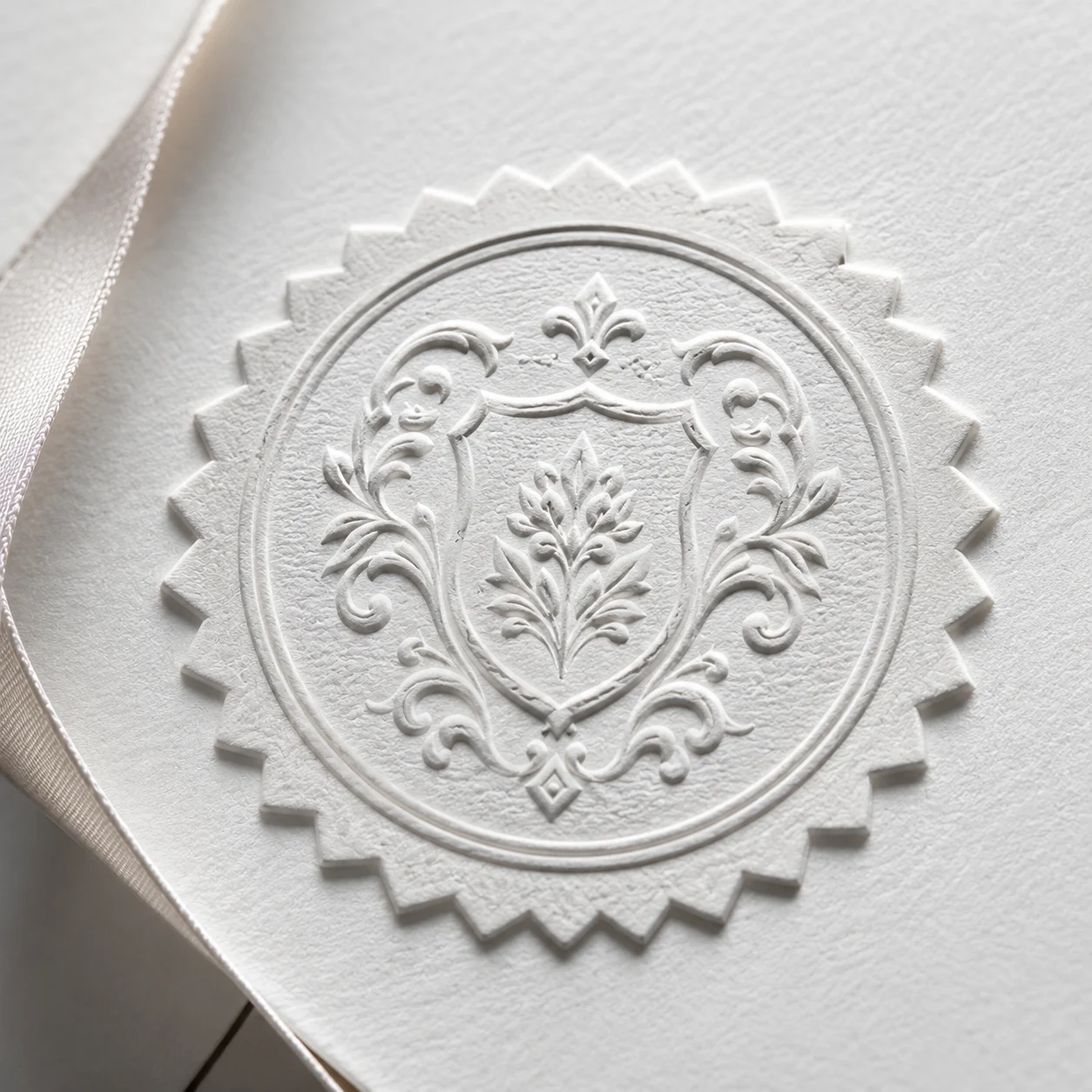
Embossing
Embossing
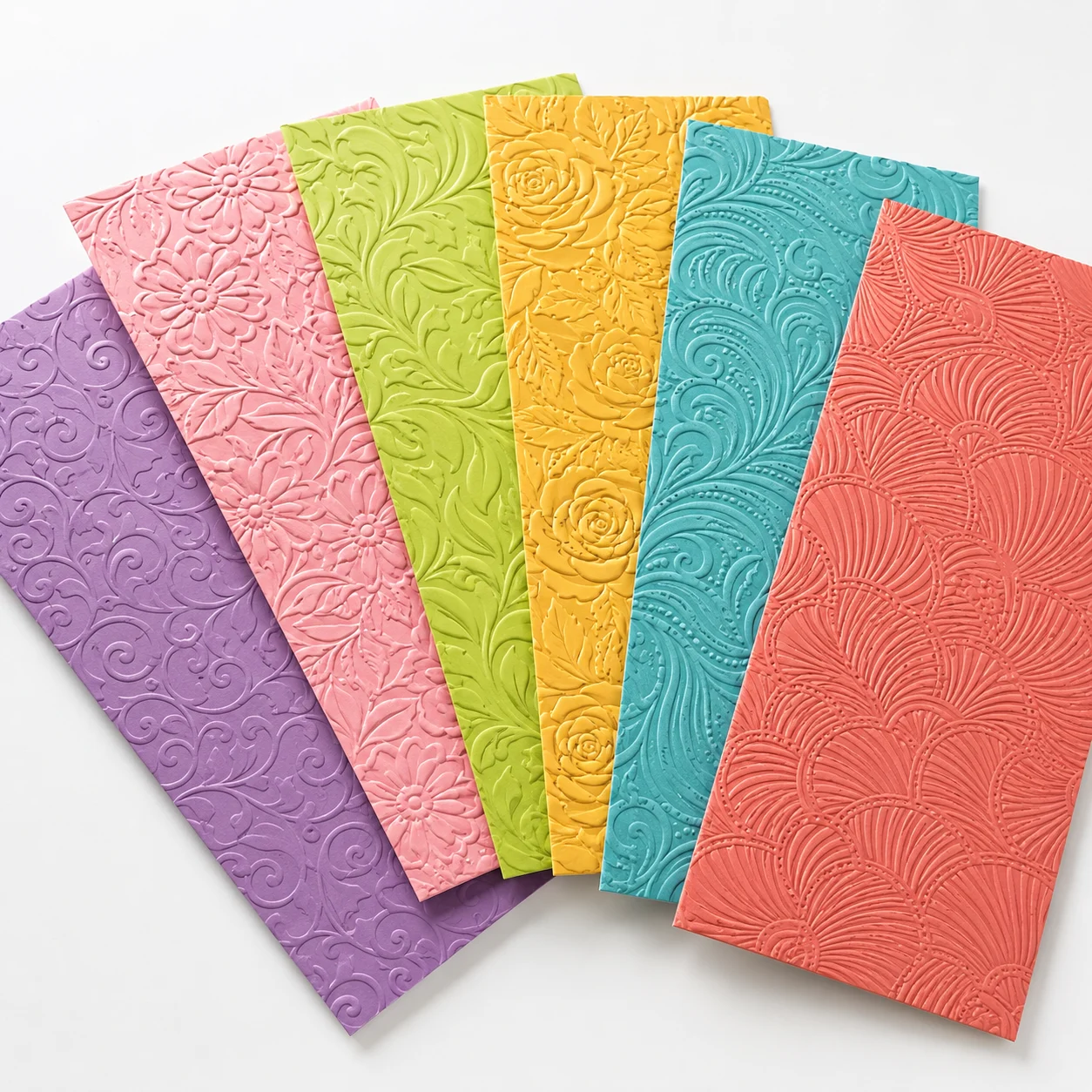
Full Embossing
Full Embossing
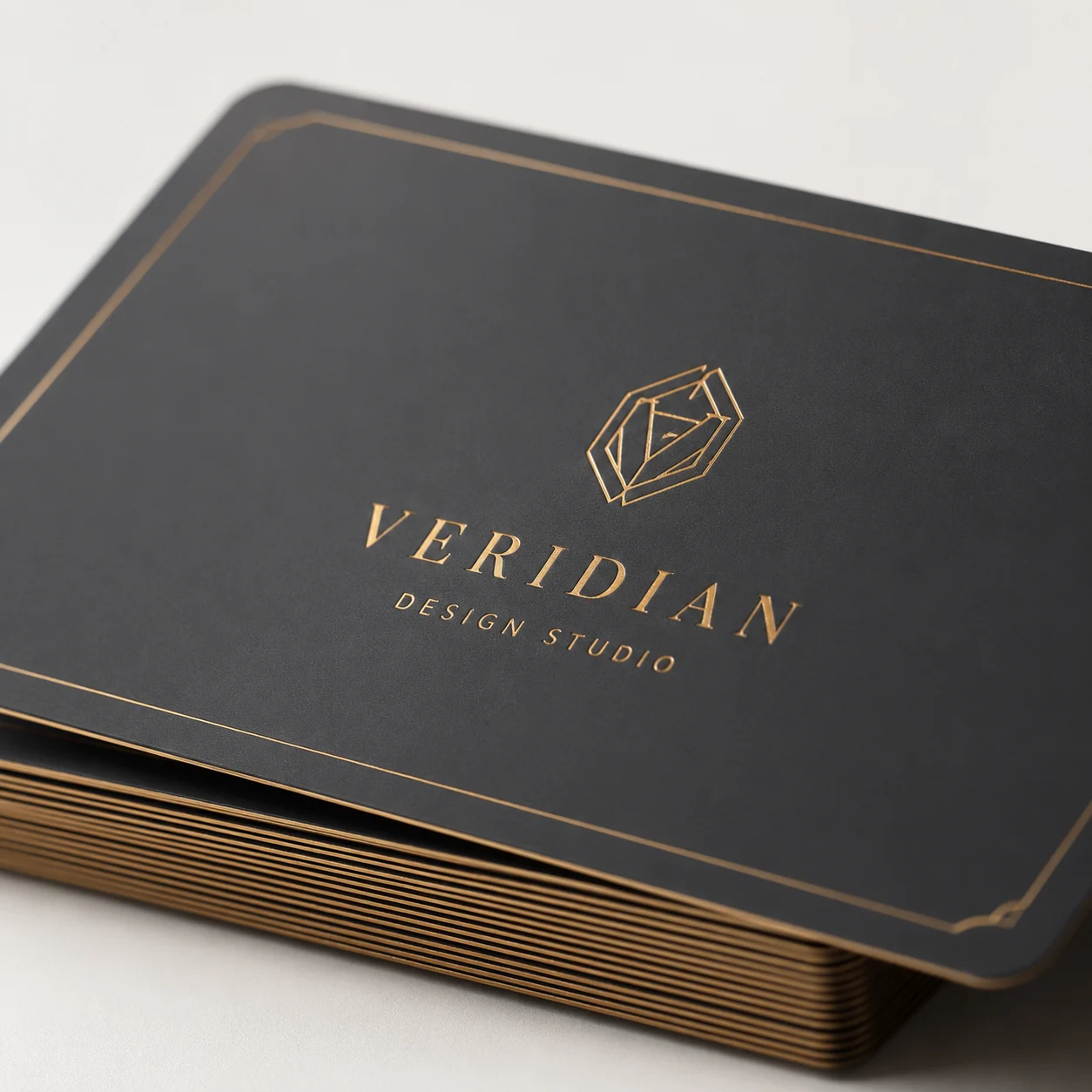
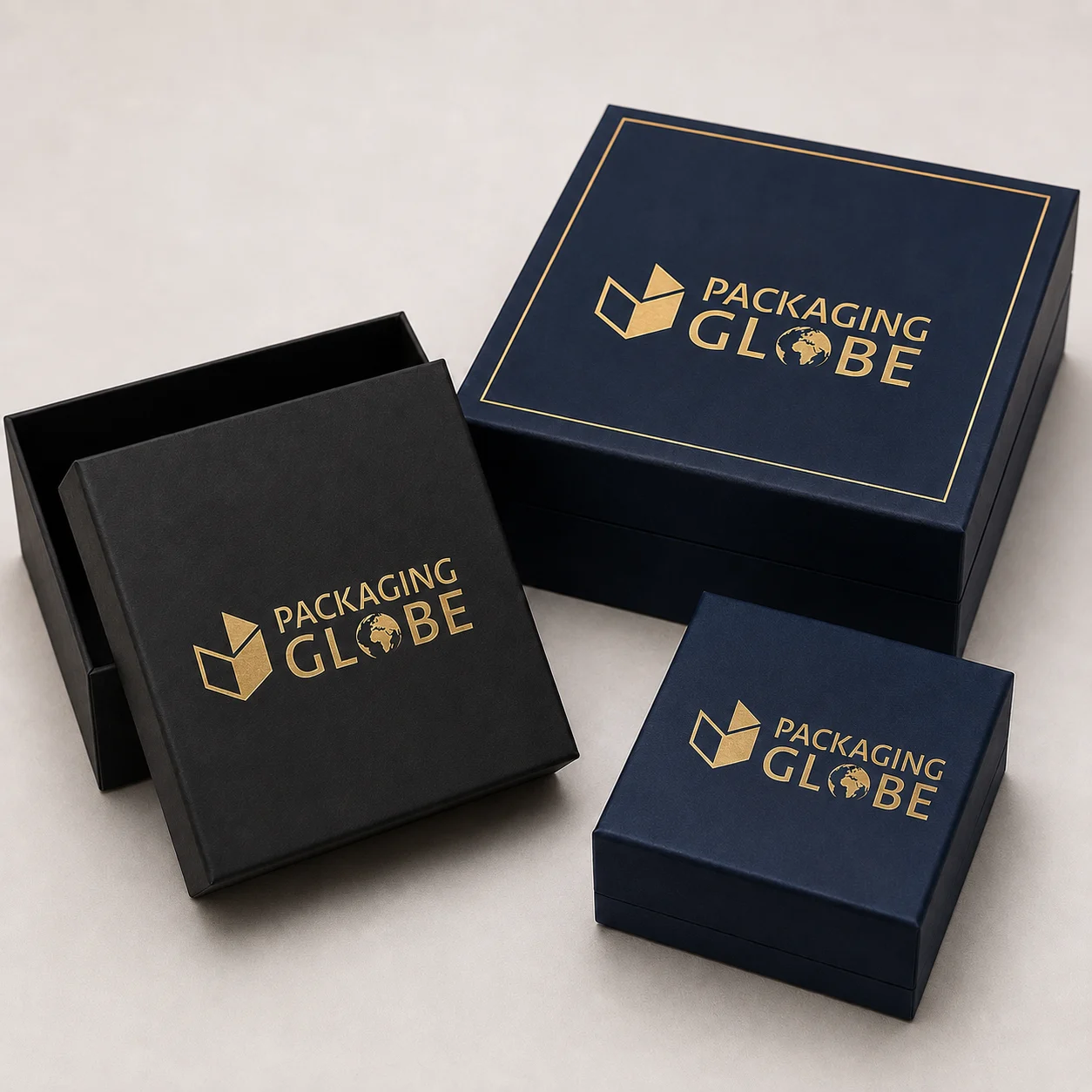
Hot Foil Stamping
Hot Foil Stamping
Proper Embossing
Proper Embossing
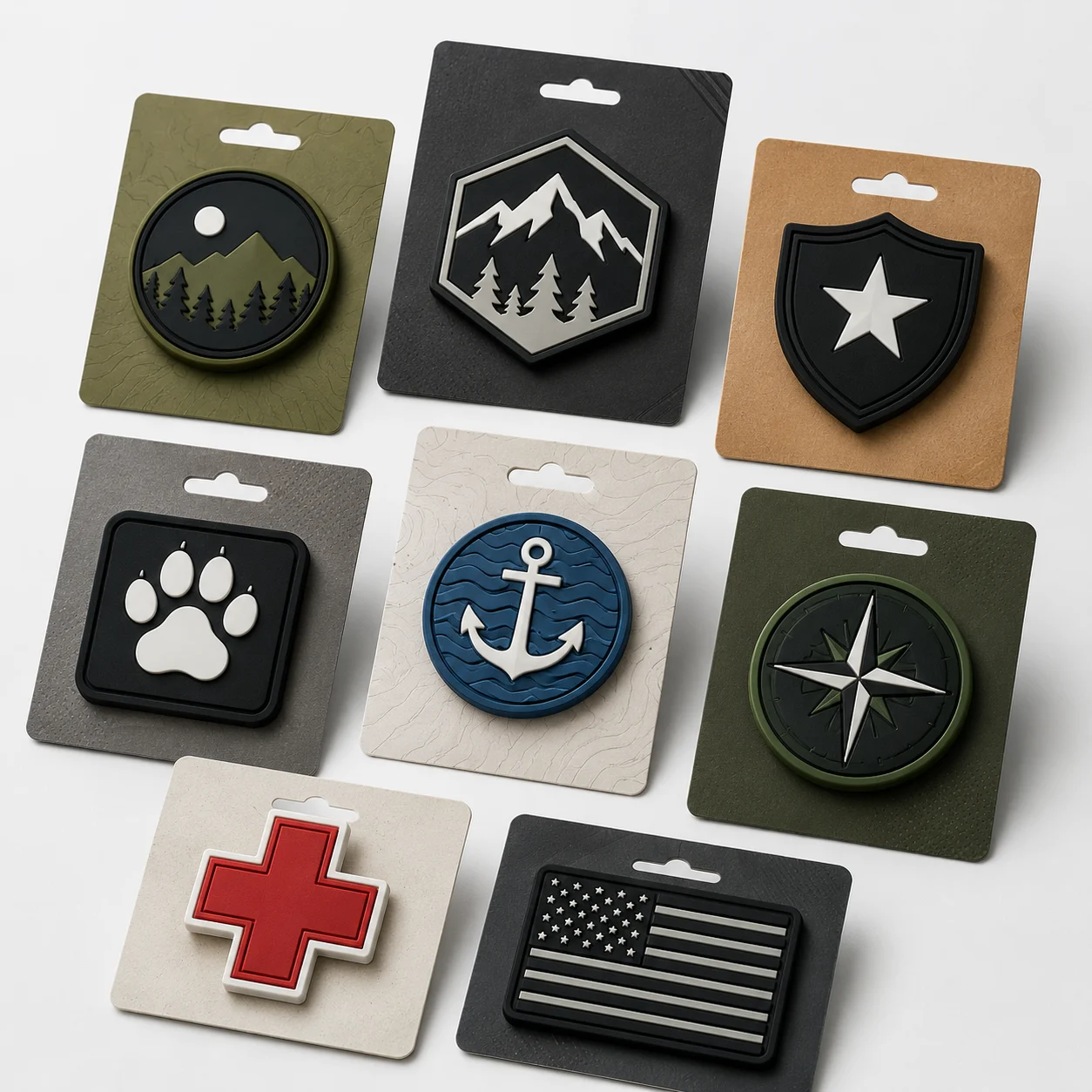
PVC Patching Cards
PVC Patching Cards
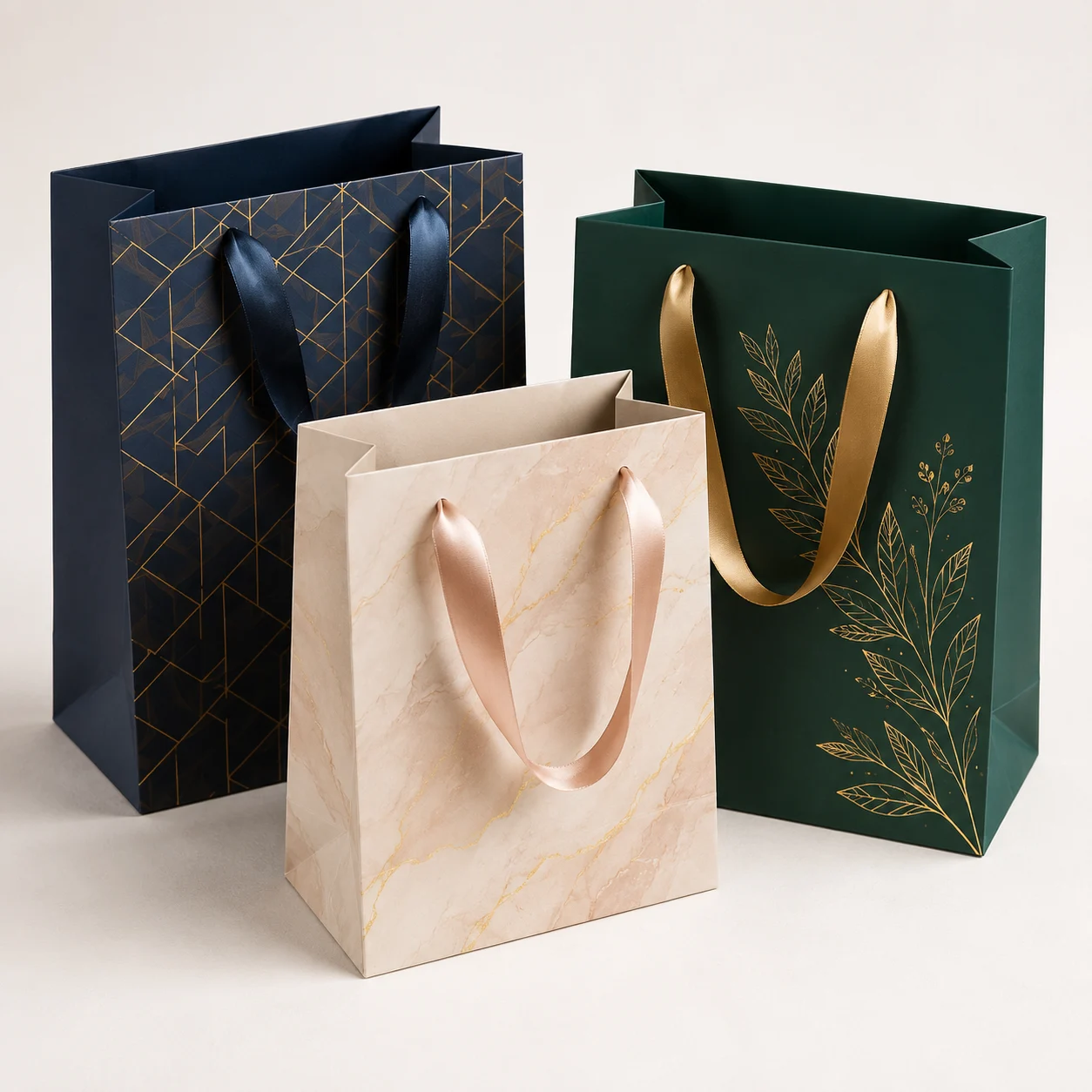
Ribbon Handles
Ribbon Handles
Custom Prism Shaped Cardboard Boxes

Frequently Asked Questions

Packaging boxes are essential for order completion time for several crucial reasons:

1. Product Protection: Packaging boxes are designed to safeguard products during transit and storage. They shield items from physical damage, moisture, dust, and potential contamination. Without adequate protection, products are at risk of being damaged or spoiled, leading to costly replacements, delays, and customer dissatisfaction.

2. Efficient Handling: Properly packaged items are easier to handle, sort, and transport. They can be stacked, palletized, and moved with greater efficiency, reducing the risk of delays in the supply chain. Efficient handling minimizes the likelihood of errors, such as misplacements or damage during loading and unloading.

3. Brand Image: Packaging is a direct reflection of a brand’s professionalism and commitment to quality. Well-designed packaging not only protects the product but also enhances its presentation. This positively impacts the customer’s perception of the brand and can lead to repeat business and positive reviews.

4. Compliance and Documentation: In some industries, regulations require specific packaging and labelling for compliance. Failure to adhere to these requirements can lead to delays due to inspections, rejections, or legal issues. Proper packaging ensures compliance with local and international regulations.

5. Logistics and Inventory Management: Packaging boxes often include essential product information, barcodes, and tracking numbers. This information is crucial for logistics and inventory management systems, allowing for accurate tracking and efficient order fulfillment. Without it, the entire process can slow down.

6. Customer Experience: Timely and intact delivery is a vital part of the customer experience. Packaging boxes that protect products and arrive in good condition contribute to customer satisfaction and can lead to positive reviews, repeat orders, and referrals.

In essence, packaging boxes are not merely containers; they are integral to the smooth and efficient flow of goods through the supply chain. They help prevent delays, ensure product integrity, and enhance the overall customer experience, making them a critical component of order completion time and overall business success.

The shipping process in the UK, Europe, and the USA follows a generally similar framework, but specific details and regulations may vary by country and region. Here’s an overview of the shipping process in each of these regions:

United Kingdom (UK):

1- Order Placement: The process typically begins when a customer places an order with a retailer or online store.

2- Order Processing: The retailer processes the order, including picking and packaging the items.

3- Labeling and Documentation: The retailer generates shipping labels and prepares the necessary shipping documentation, including customs declarations if applicable.

4- Carrier Selection: The retailer or e-commerce platform selects a carrier or courier service for shipping. Popular carriers in the UK include Royal Mail, DPD, Hermes, and UPS.

5- Collection: The carrier collects the packages from the retailer’s location or warehouse.

6- Transportation: The carrier transports the packages to a local sorting facility or distribution centre.

7- Sorting and Routing: Packages are sorted based on their destination, and routing is determined to ensure efficient delivery.

8- Delivery: The packages are delivered to the recipient’s address. In some cases, additional customs clearance may be required for international shipments.

9- Confirmation: The recipient receives the package, and the carrier often provides tracking information and delivery confirmation.

Europe:

The shipping process in Europe is similar to the UK, but it involves cross-border shipments and may include additional customs procedures for deliveries between European Union (EU) member countries and non-EU countries.

United States (USA):

1- Order Placement: Customers in the USA place orders with retailers or e-commerce platforms.

2- Order Processing: Retailers process orders, pick products, and prepare packages for shipping.

3- Labeling and Documentation: Shipping labels and relevant documentation are generated, including customs forms for international shipments.

4- Carrier Selection: Retailers choose from a variety of carriers, such as USPS, UPS, FedEx, or regional carriers, depending on the service level and destination.

5- Collection: Carriers collect packages from the retailer’s facility.

6- Transportation: Packages are transported to regional or central hubs.

7- Sorting and Routing: Packages are sorted, and routing is determined for efficient delivery.

8- Delivery: Carriers deliver packages to the recipient’s address. In some cases, customs clearance may be required for international shipments.

9- Confirmation: Recipients receive packages and can track deliveries through provided tracking information.

It’s important to note that shipping times, fees, and regulations can vary widely depending on the specific carrier, shipping method, and destination. Customs procedures can also add complexity to international shipments. Businesses often work closely with shipping experts or use shipping management software to streamline the process and ensure compliance with regulations.


Corrugated cardboard boxes are not immune to the possibility of insect infestations, even when stored in a dry room. While a dry environment is generally less conducive to insect activity compared to damp or humid conditions, it’s essential to consider a few factors:

1- Previous Contamination: If the boxes were previously stored in a place where they were exposed to pests, they may already have eggs or larvae inside. These pests can become active when conditions become more favourable.

2- Access Points: Insects can find their way into cardboard boxes through small openings or gaps. If the boxes are stored near doors, windows, or other potential entry points for insects, this increases the risk of infestation.

3- External Sources: Insects can be introduced to the storage area from external sources, such as contaminated packaging materials, other stored items, or pests entering the room through openings.

4- Food Residues: If the boxes previously contained food items or were stored near food, they might have food residues or odours that attract insects.

To minimize the risk of insect infestation:

Inspect and Clean: Before storing items in cardboard boxes, inspect them for any signs of insects or damage. Ensure that the boxes themselves are clean.

Seal Openings: Seal any openings or gaps in the storage area that could serve as entry points for insects.

Use Pest Control Measures: Consider using pest control measures like traps, baits, or insecticides in the storage area to deter or eliminate pests.

Store Boxes Properly: Elevate cardboard boxes off the floor and away from walls to reduce the risk of pests accessing them.

While corrugated cardboard is less susceptible to insect infestations than materials like wood or cloth, taking preventative measures is wise to protect your stored items from potential contamination or damage.

You can find a product packaging designer for custom boxes through various channels, both online and offline. Here are some effective ways to locate a packaging designer:

  • Online Freelance Platforms: Websites like Upwork, Freelancer, and Fiverr have numerous packaging designers who offer their services on a freelance basis. You can browse portfolios, review client feedback, and hire designers based on your specific requirements.
  • Design Agencies: Many design agencies specialize in packaging design. Conduct an online search or ask for referrals to find agencies with experience in creating custom boxes.
  • Social Media: Platforms like LinkedIn, Instagram, and Behance are used by many designers to showcase their work. You can explore profiles, and portfolios, and connect with designers who match your needs.
  • Design Marketplaces: Websites such as 99designs and Designhill allow you to run design contests or directly hire designers for packaging projects. You set your budget, and designers submit their concepts.
  • Industry Conferences and Events: Attend design-related conferences, trade shows, or networking events in your area. These events often attract packaging designers looking to connect with potential clients.
  • Local Design Schools: Contact local design schools or universities with design programs. They may have talented students or recent graduates looking for freelance opportunities.
  • Professional Organizations: Organizations like the American Institute of Graphic Arts (AIGA) or the Packaging Designers Council (PDC) often have directories of experienced designers.
  • Recommendations and Referrals: Ask for recommendations from peers, colleagues, or business contacts who have worked with packaging designers in the past.
  • Online Portfolio Websites: Explore portfolio websites like Behance, Dribble, or Coroflot, where designers showcase their work. You can search for packaging designers and contact them directly.
  • Online Classifieds: Platforms like Craigslist or Gumtree may have local designers advertising their services.

When hiring a packaging designer, be sure to review their portfolio, discuss your project’s specific requirements and budget, and ask for references if needed. Effective communication and a clear understanding of your brand and product are key to achieving a successful custom packaging design.

Custom food packaging boxes often feature various coatings and finishes to enhance their appearance, durability, and functionality. Here are some common types of coatings used for food packaging boxes:

1- Gloss Coating: Gloss coating adds a shiny and reflective finish to the packaging, giving it a polished and attractive look. It also provides some protection against moisture and wear.

2- Matte Coating: Matte coating gives the packaging a non-glossy, elegant, and soft finish. It reduces glare and can lend a more sophisticated feel to the packaging.

3- Aqueous Coating: Aqueous coating is a water-based coating that provides a protective layer to prevent scuffing, fingerprints, and moisture damage. It can be either gloss or matte and is more environmentally friendly than some other coatings.

4- UV Coating: UV coating involves the use of ultraviolet light to cure and harden the coating quickly. It offers a high-gloss finish, and excellent protection, and can make colours appear more vibrant.

5- Varnish: Varnish is a transparent coating that adds a layer of protection and can enhance the appearance of printed designs. It can be glossy or matte, and spot varnish can be applied selectively to create visual effects.

6- Embossing and Debossing: These processes involve creating raised (embossing) or recessed (debossing) patterns or text on the packaging’s surface. They add texture and visual appeal.

7- Foil Stamping: Foil stamping uses metallic foil to create shiny, reflective elements on the packaging. It’s often used for branding and decorative purposes.

8- Soft-Touch Coating: Soft-touch coating gives the packaging a velvety, tactile feel that can enhance the perceived quality of the product.

9- Anti-Scuff Coating: This coating is designed to prevent scuffing, rubbing, and abrasion during handling and transit, ensuring the packaging maintains its pristine appearance.

10- Grease-Resistant Coating: Commonly used for food packaging, grease-resistant coatings repel oils and liquids, keeping the packaging clean and preventing sogginess or staining.

11- Window Patching: This involves adding a transparent window to the packaging, usually covered with a clear plastic film, allowing consumers to see the product inside.

The choice of coating depends on several factors, including the type of food, the packaging material, branding requirements, and the desired visual and tactile effects. Food safety regulations and environmental considerations should also be taken into account when selecting coatings for custom food packaging boxes.


Finding the latest box design templates for your new custom products can be done through various sources, both online and offline. Here are some effective ways to locate box design templates:

1- Graphic Design Software: Popular design software like Adobe Illustrator, Adobe Photoshop, and CorelDRAW often have a range of pre-made templates for various packaging types, including boxes. Check the template libraries within these programs.

2- Online Template Marketplaces: There are websites that specialize in offering a wide variety of design templates, including box templates. Some popular ones include GraphicRiver, Creative Market, and Template.net. You can purchase and download templates that match your product’s needs.

3- Printing Companies: Many printing companies and packaging suppliers offer design templates for their specific products. Check with the company you plan to use for printing your custom boxes, as they might provide templates for your custom specifications.

4- Online Design Tools: Some online design tools and packaging customization platforms offer access to design templates. These platforms allow you to design your packaging online, often starting with a template and customizing it to your needs.

5- Graphic Design Communities: Online communities like Behance, Dribble, and Pinterest are great places to discover unique packaging designs. You might find designers who share their templates or are inspired by existing packaging designs.

6- Design Books and Magazines: Design books and magazines often feature packaging design examples and may include templates or design ideas that you can adapt for your custom packaging.

7- Design Agencies: If you’re working with a design agency or freelancer, they should be able to create custom packaging templates tailored to your product.

8- DIY Packaging Tools: Some packaging companies offer online tools that allow you to design your custom packaging using their templates and interfaces. You can often find these on the websites of packaging manufacturers.

When using templates, it’s important to ensure that they match your specific box dimensions and printing requirements. Customizing existing templates to fit your brand and product is common and can save time in the design process. However, if you have unique or complex packaging needs, consider working with a professional graphic designer or packaging specialist to create a custom template from scratch.

3D printing offers several benefits to the packaging industry, making it a valuable technology for various applications. Here are some of the advantages of using 3D printing in packaging:

  • Customization: 3D printing allows for highly customizable packaging solutions. Brands can create unique and personalized packaging designs to differentiate their products in the market. This is particularly beneficial for luxury or niche products that require a distinct identity.
  • Prototyping: 3D printing enables rapid prototyping of packaging concepts. Designers and manufacturers can quickly create physical prototypes to test and refine packaging designs, reducing the time and cost associated with traditional prototyping methods.
  • Complex Geometries: 3D printing can produce packaging with intricate and complex shapes that would be difficult or impossible to achieve with traditional manufacturing methods. This opens up new design possibilities for packaging that can enhance product presentation and functionality.
  • Reduced Material Waste: Traditional manufacturing processes often generate significant material waste, especially when producing complex shapes. 3D printing is an additive manufacturing method, meaning it adds material layer by layer, resulting in minimal waste and efficient use of resources.
  • Short Production Runs: 3D printing is well-suited for small-batch or on-demand production. This flexibility is valuable for seasonal packaging designs, limited-edition products, or niche markets where traditional mass production may not be cost-effective.
  • Lightweighting: 3D printing allows for the creation of lightweight yet durable packaging. This is important for reducing shipping costs, minimizing environmental impact, and meeting sustainability goals.
  • Innovative Features: 3D printing can integrate functional features into packaging, such as snap-fit closures, hinges, and compartments. This can enhance user experience and product functionality.
  • Brand Engagement: Unique 3D-printed packaging can engage customers and create a memorable unboxing experience. Brands can leverage the tactile and visual appeal of 3D-printed packaging to leave a lasting impression.
  • Reduced Tooling Costs: Unlike traditional manufacturing, which often requires expensive molds and tooling, 3D printing doesn’t have high upfront tooling costs. This makes it more accessible for small and medium-sized businesses.
  • Speed to Market: 3D printing can accelerate product development and time to market. Design iterations and changes can be implemented quickly, allowing brands to respond rapidly to market trends and consumer preferences.
  • Material Variety: 3D printing supports a wide range of materials, including plastics, metals, ceramics, and even food-grade materials. This versatility allows for packaging solutions tailored to specific product requirements.
  • Sustainability: By reducing material waste, offering lightweight designs, and enabling on-demand production, 3D printing aligns with sustainability goals and can contribute to more eco-friendly packaging practices.

While 3D printing offers numerous advantages, it’s essential to consider factors like material selection, production costs, and scalability when implementing this technology in the packaging industry. As 3D printing continues to advance, it is likely to play an increasingly significant role in packaging design and production.

The number of units you can produce per day with a 3D printer for custom packaging boxes depends on several factors, including the complexity of the design, the size of the boxes, the type of 3D printer, and the printing speed. Here are some key considerations:

1- Print Speed: The speed at which your 3D printer operates can vary significantly. Some consumer-grade 3D printers may have relatively slow print speeds, while industrial-grade printers can be much faster. The faster the printer, the more units you can produce in a given time frame.

2- Box Size and Complexity: Smaller and less complex boxes will typically take less time to print than larger, intricate designs. Consider the size and complexity of your custom packaging when estimating production rates.

3- Printer Efficiency: The efficiency and reliability of your 3D printer play a crucial role. High-quality, well-maintained printers are less likely to experience downtime or printing errors, allowing for continuous production.

4- Layer Height and Resolution: The layer height and resolution settings you choose can impact print time. Finer layers and higher resolutions generally result in longer print times but may be necessary for intricate designs.

5- Print Material: The type of material you use for 3D printing can affect production rates. Some materials may require slower print speeds or additional post-processing steps.

6- Print Queue Management: Efficiently managing your print queue can help maximize production. This involves scheduling and optimizing print jobs to minimize downtime between batches.

7- Post-Processing: After printing, there may be post-processing steps such as cleaning, assembly, or finishing. These steps can add to the overall production time.

8- Scaling: If you have multiple 3D printers working simultaneously, you can increase your daily production capacity.

To provide a rough estimate, a typical consumer-grade 3D printer may produce a few custom packaging boxes per day, while an industrial-grade printer could produce dozens or even hundreds, depending on the factors mentioned above. It’s important to conduct tests and calculations based on your specific printer and project requirements to determine your daily production capacity accurately.

Keep in mind that 3D printing is often best suited for prototyping, small-batch production, and highly customized designs. For large-scale production of packaging boxes, traditional manufacturing methods like die-cutting and offset printing are generally more efficient and cost-effective.

Get Custom Quote

Product Information
Select Sizes
Choose Materials
Upload Artwork
Personal Information
Turn Around Time
Additional Information